How to Choose the Right Go Kart Chain for Your Engine
Picking the right go kart chain is very important. It helps provide reliable power transfer, smooth operation, and manageable maintenance. The right chain depends on chain size, sprocket compatibility, driving conditions, and the requirements of the drive system.
Go-kart manufacturers, distributors, parts suppliers, and repair shops need to understand these factors. Doing so helps prevent incorrect purchases and unnecessary downtime.
1. Check Your Go Kart Chain Size
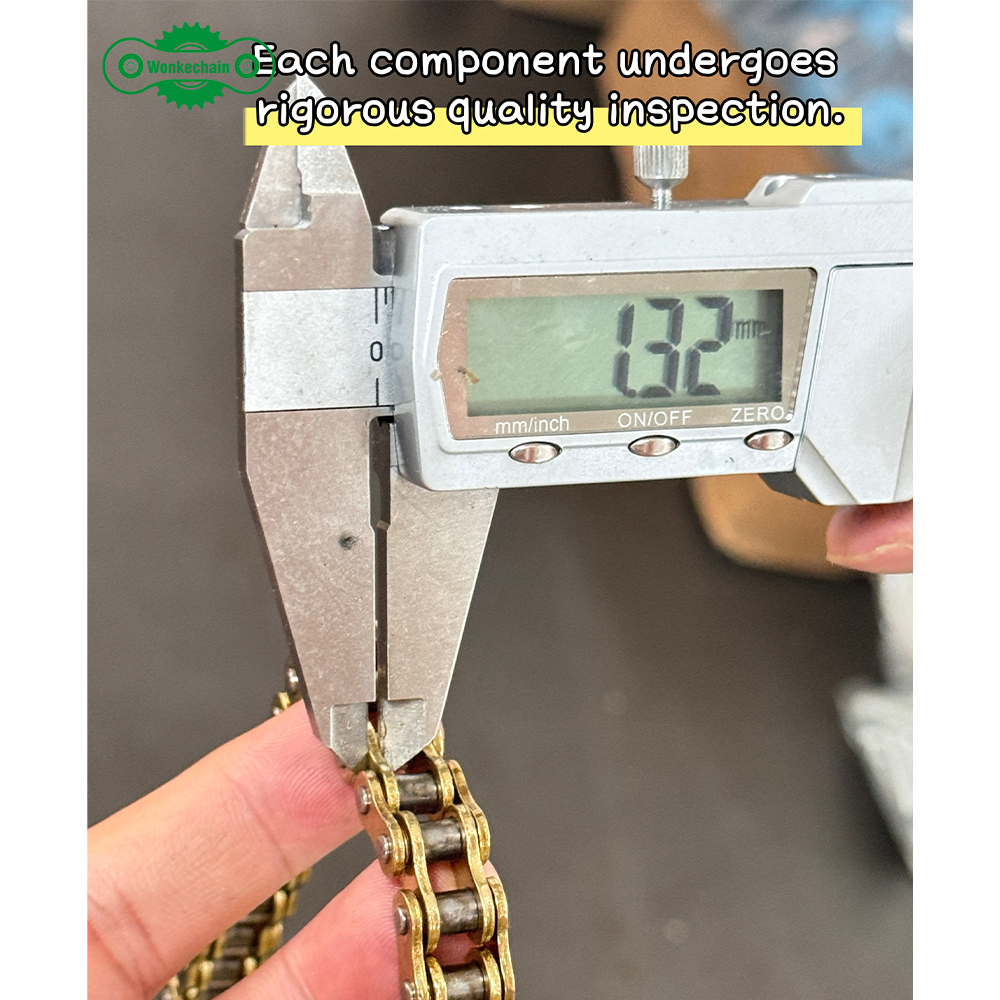
Before buying a new go kart Drive Chain, identify the original chain type and check its dimensions. Chains that look similar may have different specifications and may not fit the same sprockets.
Check these key measurements:
- Pitch: The distance between the centers of two adjacent pins.
- Inner width: The space between the inner plates.
- Roller diameter: The diameter of the rollers that engage with the sprocket teeth.
- Chain length: The number of links required for the drive system.
Pitch is a good starting point, but pitch alone does not guarantee compatibility. Inner width, roller diameter, and other dimensions must also match your application.
If the original chain marking is available, use it as a guide and verify the specifications before ordering.
2. Understand Go Kart Chain Types
Different go-kart applications require different chain specifications. The right type depends on the existing drive system and its operating requirements.
Standard Go Kart Chains
Standard chains are used in many recreational and general-purpose go-kart applications. Always check the chain designation and dimensions instead of assuming that every kart with a similar engine uses the same chain.
219H vs. 219SH Go Kart Chain
The 219H and 219SH are two chain types used in go-kart applications. They have the same pitch in the specifications listed below, but their other dimensions and tensile strengths differ.
| Specification | 219H | 219SH |
|---|---|---|
| Pitch | 7.774 mm | 7.774 mm |
| Inner width | 5.0 mm | 4.6 mm |
| Plate thickness | 1.2 mm | 1.4 mm |
| Minimum tensile strength | 750 kgf | 1,000 kgf |
| Average tensile strength | 850 kgf | 1,200 kgf |
These values apply to the specific products compared here. They should not be treated as universal specifications for every manufacturer.
This comparison shows why selecting a chain by pitch alone is not enough. Inner width, plate thickness, and sprocket compatibility must also be checked.
The 219SH specification listed here has thicker plates and higher tensile strength than the 219H specification. However, tensile strength alone does not determine service life. Lubrication, alignment, sprocket condition, and operating loads also affect chain performance.
3. Match the Chain to Your Engine and Sprockets
Engine displacement can provide useful background information, but it cannot determine the correct chain size by itself.
The chain must work with the complete drive system, including the engine output sprocket and rear axle sprocket.
Before ordering, check:
- The original chain designation.
- Pitch, inner width, and other required dimensions.
- The required link count or chain length.
- Sprocket tooth profile and compatibility.
- Expected operating speed and load.
For a new drive system, select the chain and sprockets together. Installing a new chain on worn or incompatible sprockets can cause poor engagement and premature wear.
For OEM projects, provide an original chain sample, technical drawing, or complete dimensional requirements. This helps the manufacturer evaluate the appropriate specification.
4. Consider Operating Conditions and Chain Strength
A go-kart used occasionally for recreation may have different operating demands from one used frequently on a racing track.
Frequent acceleration, changing loads, vibration, and inadequate lubrication can contribute to chain wear. Select a chain based on the complete application rather than a single strength figure.
Tensile strength is useful when comparing chain specifications, but it is not the same as working-load capacity or fatigue life. A chain should not be selected by tensile strength alone.
Commercial buyers should request technical data from the manufacturer and explain the intended application before placing a bulk order. This is especially important when changing chain types or developing a new kart model.
5. Installation and Maintenance Tips
Correct installation and regular inspection help maintain reliable chain performance.
- Check alignment. The engine and rear axle sprockets should be aligned correctly to reduce uneven wear.
- Adjust chain tension. Excessive tension increases loads on the chain and bearings, while excessive slack can cause unstable engagement. Follow the equipment manufacturer's recommendations.
- Inspect sprockets. Worn teeth, damage, or incompatible sprockets can affect chain engagement and service life.
- Lubricate appropriately. Use a suitable chain lubricant and follow the manufacturer's maintenance guidance.
- Check for wear. Inspect for stiff links, corrosion, abnormal noise, and excessive wear. Replace worn components before they affect the complete drive system.
For maintenance teams and parts distributors, recording the chain designation, dimensions, and replacement history can simplify future purchasing.
6. What Should Buyers Check Before Ordering?
Distributors, wholesalers, and OEM manufacturers should confirm the specifications before ordering to reduce purchasing errors.
Prepare the following information:
- Chain type and designation.
- Pitch, inner width, and other required dimensions.
- Required link count or custom length.
- Estimated order quantity.
- Application and operating conditions.
- Whether matching sprockets are also required.
If the chain is intended for an existing kart model, an original sample or drawing is particularly useful. For custom applications, confirm the specifications with the manufacturer before production.
Frequently Asked Questions
What size chain does my go kart need?
Check the original chain designation, pitch, inner width, roller diameter, and required length. Verify the measurements against the sprocket specifications before ordering.
Does a larger go kart engine always need a stronger chain?
Not necessarily. Engine displacement alone does not determine chain selection. Drive system design, transmitted load, sprocket specifications, and operating conditions must also be considered.
Can I replace a 219H chain with a 219SH chain?
Do not assume they are interchangeable. Both have a 7.774 mm pitch in the specifications listed here, but their inner width and plate thickness differ. Confirm the complete dimensions and sprocket compatibility first.
How do I measure a go kart chain?
Identify the chain designation if possible, then measure the pitch between adjacent pin centers, inner width, roller diameter, and total link count. Compare the results with the manufacturer's specifications.
What affects go kart chain service life?
Chain alignment, tension, lubrication, sprocket condition, operating loads, and maintenance practices all affect service life. Regular inspections help identify wear before it causes further problems.
Can a chain manufacturer supply custom lengths for OEM projects?
Custom lengths may be available depending on the chain type and production requirements. Provide the chain designation, dimensions, link count, estimated quantity, and intended application for evaluation.
Conclusion
Choosing the right go kart chain starts with identifying the original chain size and confirming compatibility with the sprockets. Engine requirements, operating conditions, chain strength, and maintenance also influence the final selection.
For replacement parts and OEM projects, verifying the complete specification is more reliable than choosing a chain based only on appearance or engine displacement.
Working with a manufacturer that can confirm dimensions, supply custom lengths, and assess matching sprockets can help distributors, repair companies, and equipment manufacturers source the right chain for their applications.
Looking for a Go Kart Chain Supplier?
Wonke Chain supplies go-kart chains for replacement parts, distribution, and OEM applications. We support specification confirmation, custom lengths, bulk orders, and matching sprocket requirements.
Contact our team with your chain type, dimensions, or sample to discuss suitable specifications and factory-direct pricing.