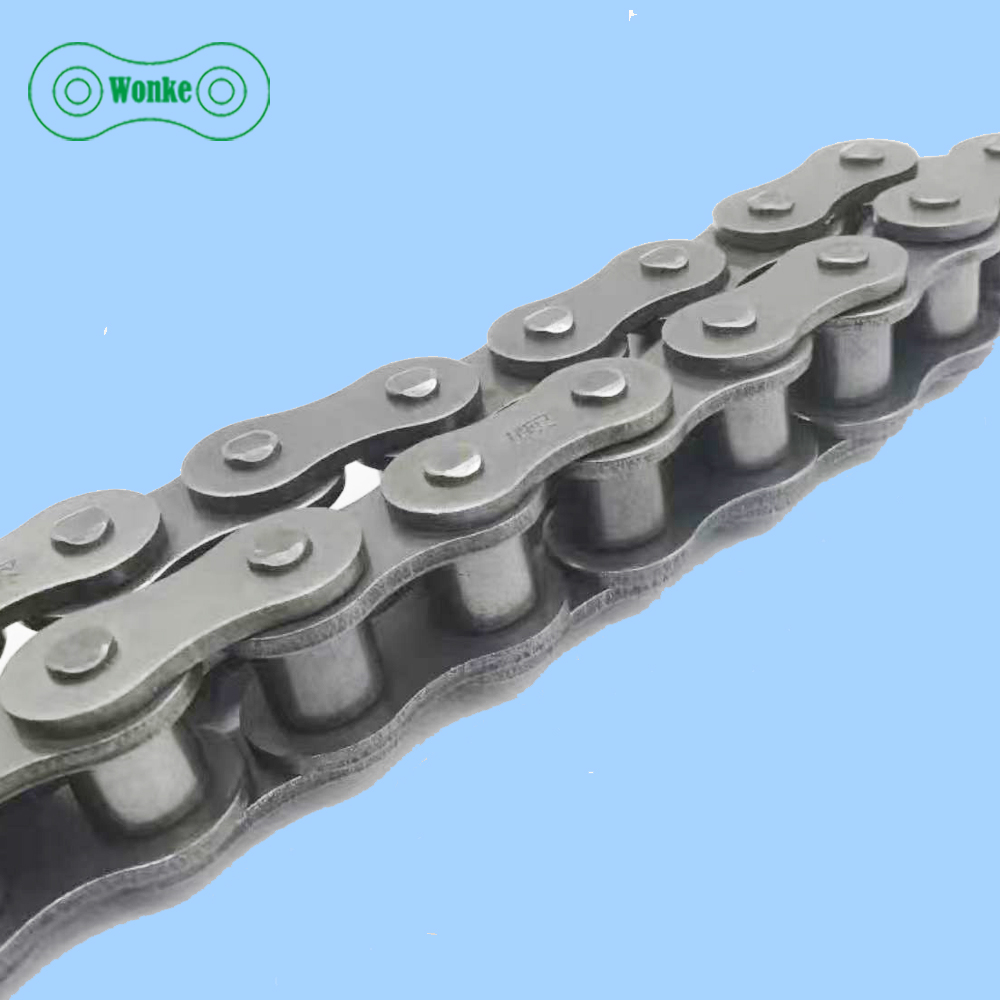
Why Does a Go Kart Chain Keep Coming Off? 5 Common Causes
Your go kart chain keeps coming off. The problem is often wrong chain tension. It can be bad sprocket alignment. It can be worn parts. It can be wrong chain length. You put the chain back on. But you do not fix the cause. So the same problem comes back.
Go-kart makers, repair shops, and parts sellers need to know these common issues. This knowledge cuts downtime. It stops wasted money on new parts.
5 Common Reasons a Go Kart Chain Comes Off
1. Wrong Go Kart Chain Tension
Check chain tension first. A chain that is too loose can jump over the sprocket teeth when you drive. A chain that is too tight puts too much load on the chain, bearings, and shafts.
Check the chain slack the way the kart maker says. Adjust the engine position or tension system as told. Do not guess the right tension. Different drive systems need different settings.
2. Bad Go Kart Chain Alignment
Sprockets that do not line up force the chain to run at an angle. This adds friction. It makes the chain come off more easily.
Check that the drive and driven sprockets line up in the same plane. Look at the engine mounts, shafts, and sprocket bolts for movement or damage. If the engine has moved, fix its position before you drive the kart again.
3. Worn or Broken Sprockets
Worn, hooked, bent, or broken sprocket teeth stop the chain from fitting right. This makes the chain slip again and again. Chain tension may look fine, but the chain still slips.
Check both sprockets for uneven wear and broken teeth. Replace bad parts. Check the chain for damage too. A new chain on badly worn sprockets may not fix the problem.
4. Wrong Chain Length or Size
A chain that is too long is hard to tension right. A chain that is too short creates too much tension. It can also stop you from installing it correctly.
The chain size must match the sprockets. For example, 219 and 420 chains are different sizes. Do not treat them as the same. Check the right chain model and length against the equipment specifications before you order a new one.
5. Loose Mounting Parts or Too Much Vibration
Loose engine mounts, sprocket bolts, or other drive parts can change alignment while you drive. Too much vibration can make a chain problem worse.
Check the mounting hardware and related parts. Tighten bolts according to the manufacturer's instructions. Investigate unusual movement or vibration before you use the kart again.
How to Check Go Kart Chain Alignment and Tension
Turn off the engine before you check the drive system. Make sure the kart cannot start by accident. Keep hands and tools away from moving parts.
Follow these steps:
- Check chain tension. Compare the chain slack with the manufacturer's recommended setting.
- Check sprocket alignment. Make sure both sprockets sit in the right plane.
- Look at the chain. Check for broken links, stiff joints, uneven wear, and other visible problems.
- Check chain size and length. Make sure the chain matches the drive system and can be tensioned correctly.
- Check mounting hardware. Look for loose bolts, moving engine mounts, and damaged shafts.
After making changes, check the chain tension and alignment again before driving. If the chain still comes off, have the drive system checked. Do not just put the chain back on again and again.
How to Stop Go Kart Chain Derailment
Regular care lowers the risk of chain derailment and early wear.
- Keep the right tension: Follow the equipment manufacturer's adjustment instructions.
- Keep sprockets lined up: Check alignment after repairs, part changes, or engine adjustments.
- Lubricate the chain: Use a suitable lubricant according to the chain manufacturer's recommendations.
- Check for wear: Inspect the chain and sprockets regularly for damage or uneven wear.
- Check mounting hardware: Make sure bolts and engine mounts stay secure.
- Use compatible parts: Match the chain size to the sprockets and drive system.
For repair shops and parts sellers, check the chain model, required length, and sprocket specifications before ordering. This also helps prevent installation and fitment problems.
When Should You Replace the Chain or Sprockets?
Replace a chain if it has broken links, excessive wear, or defects that make it unsafe to use. Replace worn or broken sprockets when needed.
If both parts show significant wear, inspect them as a set. A new chain may not run correctly on badly worn sprockets.
When choosing new parts, check the equipment specifications, chain size, required length, and operating conditions. Do not pick a chain by appearance alone.
Frequently Asked Questions
Why does my go kart chain keep falling off after I tighten it?
The chain may be misaligned. The sprockets may be worn. The chain length may be wrong. Check the whole drive system instead of just tightening the chain more.
Can a loose go kart chain cause derailment?
Yes. Too much slack can let the chain jump off the sprocket teeth. Use the tension setting specified by the kart manufacturer.
Should I replace the chain and sprockets together?
Not always. But if the sprockets are badly worn or broken, you may need to replace them to restore proper chain engagement.
Can the wrong chain size make a go kart chain come off?
Yes. The chain must match the sprocket specifications. Check the correct chain size before installing a new one.
How often should I check go kart chain tension?
Follow the manufacturer's maintenance schedule. Also check the chain after repairs, adjustments, or unusual operating conditions.
Conclusion
If a go kart chain keeps coming off, start by checking chain tension, sprocket alignment, component wear, chain length, and mounting hardware. Fixing the real cause works better than putting the chain back on again and again.
Use the right chain and compatible sprockets. Follow the manufacturer's adjustment instructions. Check the drive system often. This helps reduce downtime and extend component service life.
Looking for a Go Kart Chain Supplier?
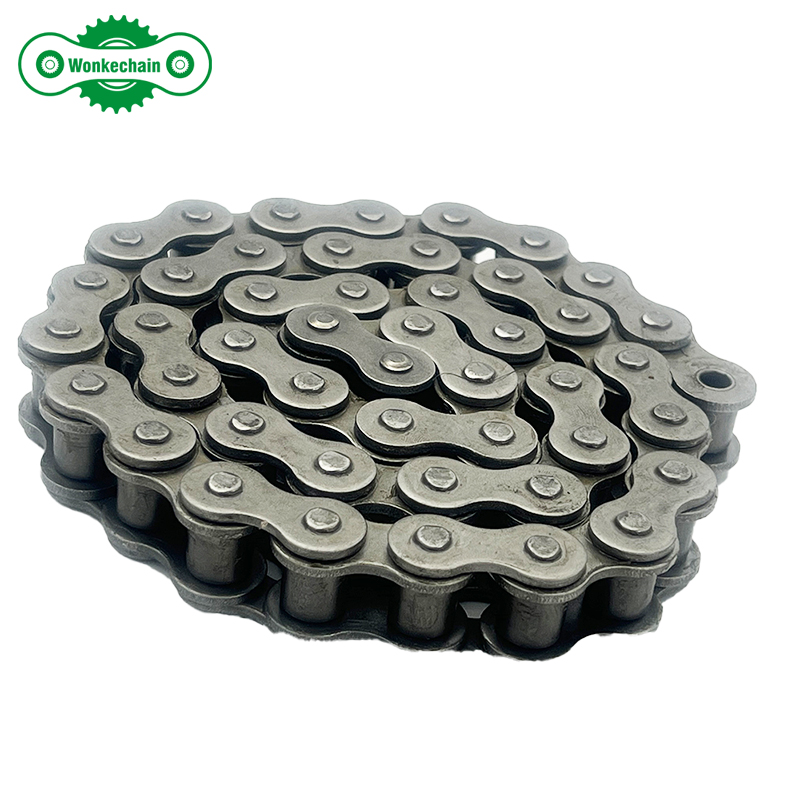
Wonke Chain supplies 219H and 219SH go kart chains for compatible drive systems. We offer factory-direct supply and custom-length options. Distributors, wholesalers, OEM manufacturers, and parts buyers can contact us with the chain model, required length, and order quantity to request product specifications and a quotation.