
How to Choose the Right 12B Roller Chain for Your Machinery
Common Challenges in Roller Chain Selection
Most 12B roller chain problems I'm called in on trace back to a decision made at the ordering stage, not on the machine. Someone sizes the chain off a part number, skips the working-load math, or forgets the environment the drive actually lives in—and three months later there's premature wear and unplanned downtime. For manufacturers, engineers, and procurement folks, the recurring issues are the same: fit, load, and speed. Understand where those go wrong and you head off the expensive problems before they start.
Introduction to 12B Roller Chains
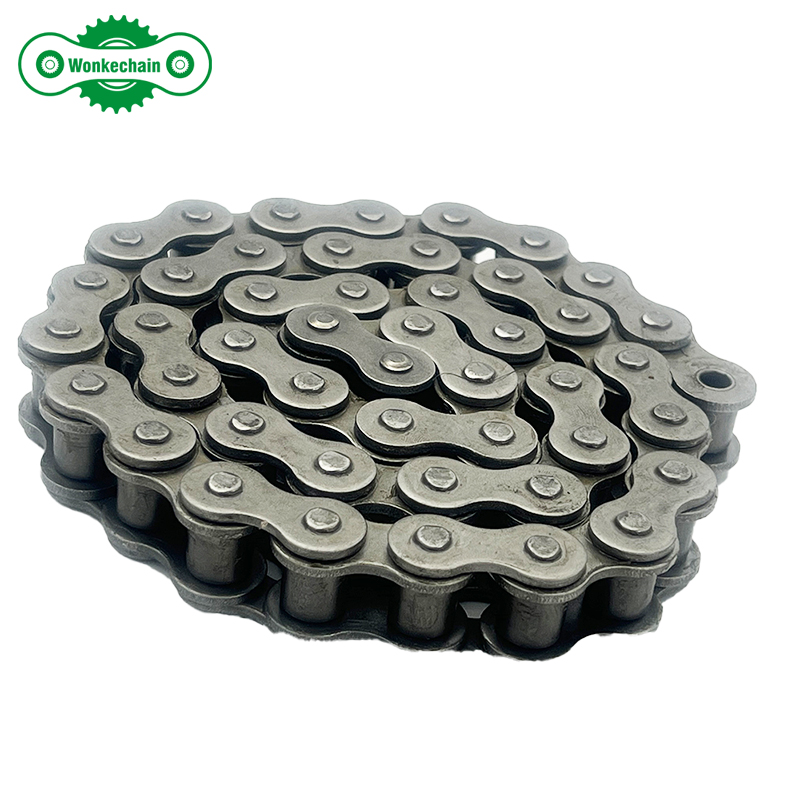
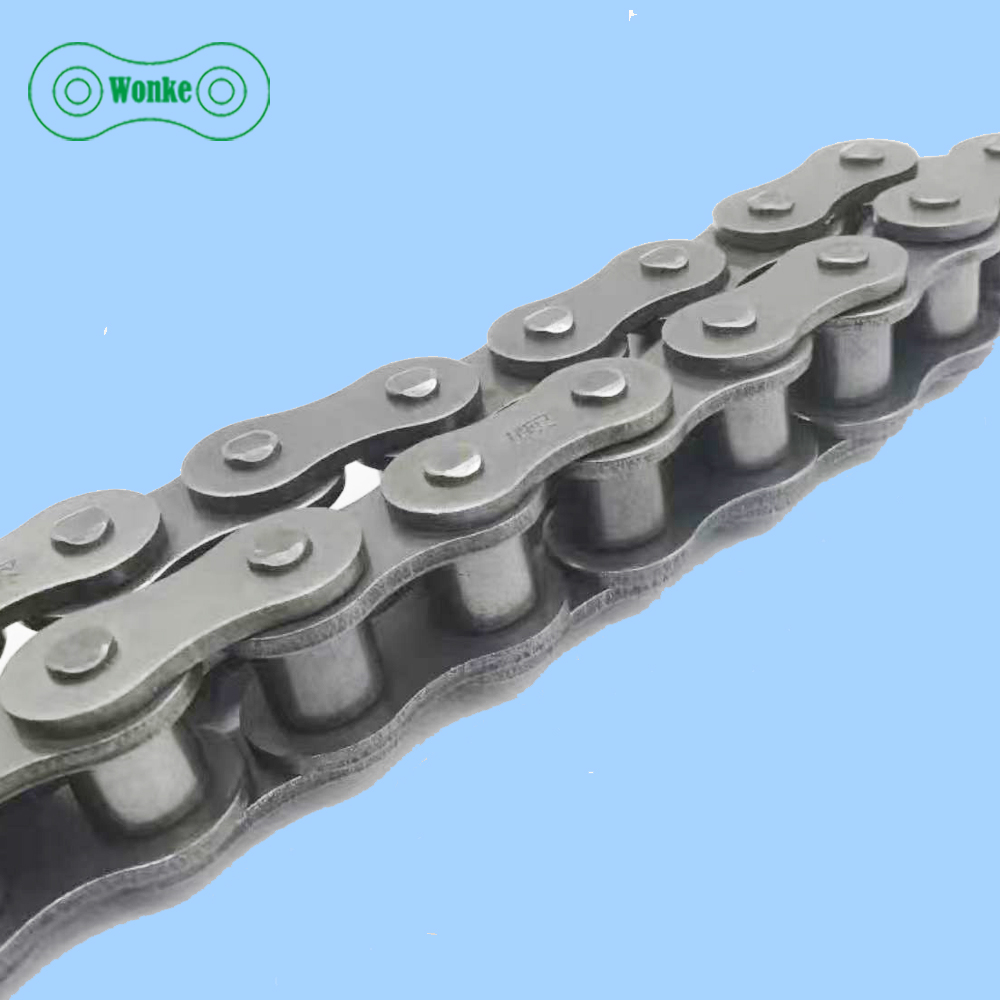
The 12B roller chain is a British Standard chain built to ISO 606, running a 3/4" (19.05 mm) pitch—a solid mid-range size you'll find all over European and Commonwealth machinery. Single-strand 12B-1 carries a minimum tensile strength of around 28.2 kN, and you can step up to 12B-2 or 12B-3 duplex and triplex versions when a single strand won't cut it. It's dependable, widely stocked, and adaptable—which is exactly why it turns up in so many drives. But "versatile" doesn't mean "fits anything," and that's where selection matters.
Key Factors in 12B Roller Chain Selection
Choosing the right 12B comes down to a handful of factors, worked in the right order:
Equipment Load
Start with the load—but with the working load, not the breaking load. This is the one I hammer on with buyers: that ~28.2 kN figure for 12B-1 is a minimum breaking load, not a target. You design well below it with a safety factor on top, commonly 6:1 or higher where there's shock loading or high speed. Figure your real operating load, apply the factor, then check it against the rating. Do it in that order and you won't be chasing a stretched or snapped chain later.
Running Speed
Speed drives wear and it drives lubrication needs. Run a chain faster than it's set up for and you'll see heat, accelerated pin and bushing wear, and early elongation. Higher speeds also change how you lubricate—from manual or drip at low speed up to oil bath or forced feed as rpm climbs. Match the chain and the lube method to your actual running speed, not a rough guess.
Working Environment
Environment kills more chains than load does, in my experience. Heat, moisture, washdown, chemicals, abrasive dust—each one shortens life its own way. A plain carbon-steel chain won't last on a wet or corrosive line; that's where stainless or coated (nickel-plated, for instance) variants earn their extra cost. Spec the material to the environment the drive actually works in, not the one on the datasheet.
Sprocket Compatibility
The chain and sprocket are a matched pair—treat them that way. Confirm pitch, strand count, and inner width against your sprockets before ordering. And replace worn sprockets with the chain; a new chain dropped onto hooked, worn teeth wears out fast and runs rough. Alignment matters too—misaligned sprockets throw uneven load across the plates and chew the chain from the side.
Chain Quality
Quality isn't negotiable on a drive you're trusting with uptime. Look for properly heat-treated plates, hardened pins and bushings, and shot-peened components on higher-grade chains. Buy to ISO 606 from a maker who can show you material certs and test data. Cheap chain stretches early and fails without warning—the false economy that ends up costing the most.
How to Maintain Your 12B Roller Chain
A 12B that's looked after outlasts a neglected one by a wide margin. The routine's simple:
- Regular Cleaning: Keep grit off the chain before it grinds into the rollers and bushings. Dirty chain wears itself and the sprockets together.
- Lubrication: Keep it lubricated on a schedule with a suitable lubricant matched to the speed. Dry or dirty is how chains die early.
- Tension Adjustments: Check and adjust tension regularly to keep it off both extremes—too tight overloads bearings, too loose invites skipping and shock.
- Inspection for Wear and Tear: Inspect for wear, stiff links, and misalignment, and measure for elongation. Once a chain stretches past roughly 1.5–2% over nominal length, it's done—replace it before it starts damaging sprockets.
FAQs
How to choose the right 12B roller chain for your machinery?
Work it in order: figure your real working load and apply a safety factor, check it against the 12B rating (~28.2 kN min. breaking load for 12B-1), match the chain to your running speed and environment, and confirm pitch and width against your sprockets. Buy to ISO 606 from a reputable maker.
What factors impact 12B roller chain selection?
Working load (not breaking load), running speed, operating environment, sprocket compatibility, and build quality. Get those five right and the drive runs as it should.
How should I maintain my 12B roller chain?
Clean it, keep it lubricated on schedule, check tension and alignment, and measure elongation—replace past roughly 1.5–2% stretch. Change worn sprockets along with the chain.
Are all 12B roller chains the same quality?
Not even close. Heat treatment, material grade, and manufacturing tolerances vary a lot between makers. Buy to ISO 606 from a supplier who'll share material certs and tensile test data—if they won't show the numbers, move on.
Where to Purchase High-Quality 12B Roller Chains
Finding a trustworthy source for 12B roller chains is as important as the spec itself. Look for a supplier with a real track record, chains built and certified to ISO 606 (and ISO 9001 behind the plant), material certs and test data on request, and technical support that'll talk through your drive instead of just quoting a price. A maker that stands behind the product with warranty and after-sales backup is one that trusts its own quality.
Buying Suggestions & Call to Action
When you're buying a 12B roller chain, dig into the actual specs—pitch, strand count, inner width, breaking load—and ask for the test data to back them. Get advice from someone who knows drives, not just part numbers, and you'll end up with a chain that fits and lasts.
Visit our Wonke Chain website to see our full 12B range. Send us your load, speed, sprocket spec, and operating conditions, and we'll help you land on the right chain the first time—not the second.