
What Is a Flat Top Chain? Complete Guide for Conveyor Systems from a Professional Manufacturer
In modern automated production lines, the chain plays a crucial role in ensuring smooth and efficient material movement. Among the many types of conveyor chains, the flat top chain is widely used because it provides a stable conveying surface for different industries.
A flat top chain is designed with connected plates that create a continuous surface, allowing products such as bottle, carton, and container to move safely along a conveyor line. This design minimizes product tipping and ensures consistent movement in automated systems.
As a professional flat top chain manufacturer, we provide durable and reliable conveyor chain solutions for a wide range of industries. Whether used in the beverage industry, logistics systems, or automated packaging lines, flat top chains help improve efficiency, reduce downtime, and support modern automation processes.
If you are planning to install or upgrade a conveyor system, understanding how flat top chains work will help you choose the right solution.
Flat Top Chain Manufacturer Guide: Types, Materials and Conveyor Applications
What Is a Flat Top Chain?
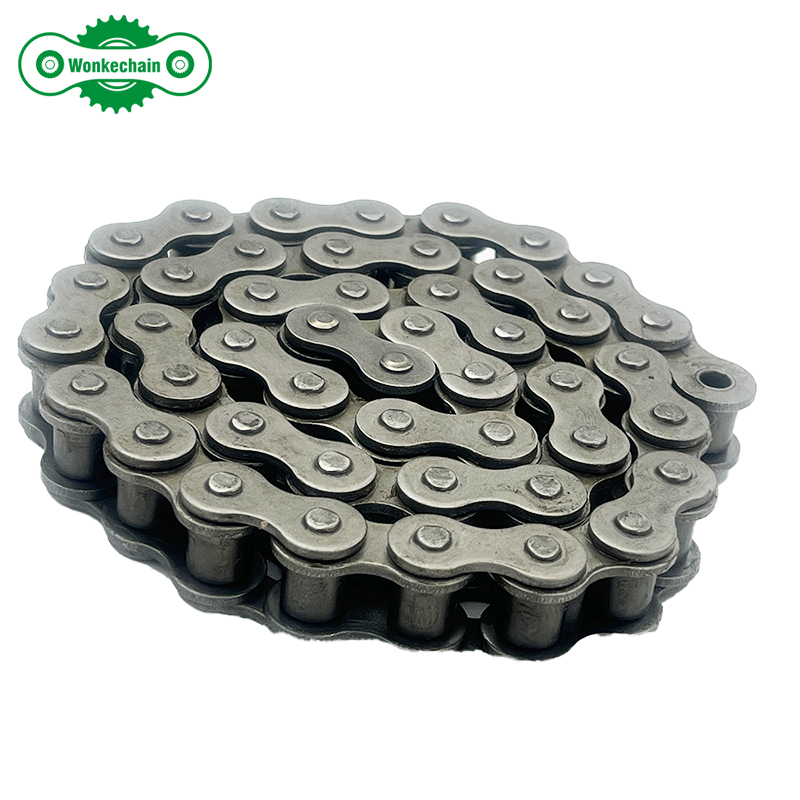
A flat top chain is a type of chain used in conveyor systems that require a smooth and stable conveying surface. Unlike a traditional roller chain, which exposes rollers between side plates, a flat top chain uses connected top plates to create a flat platform.
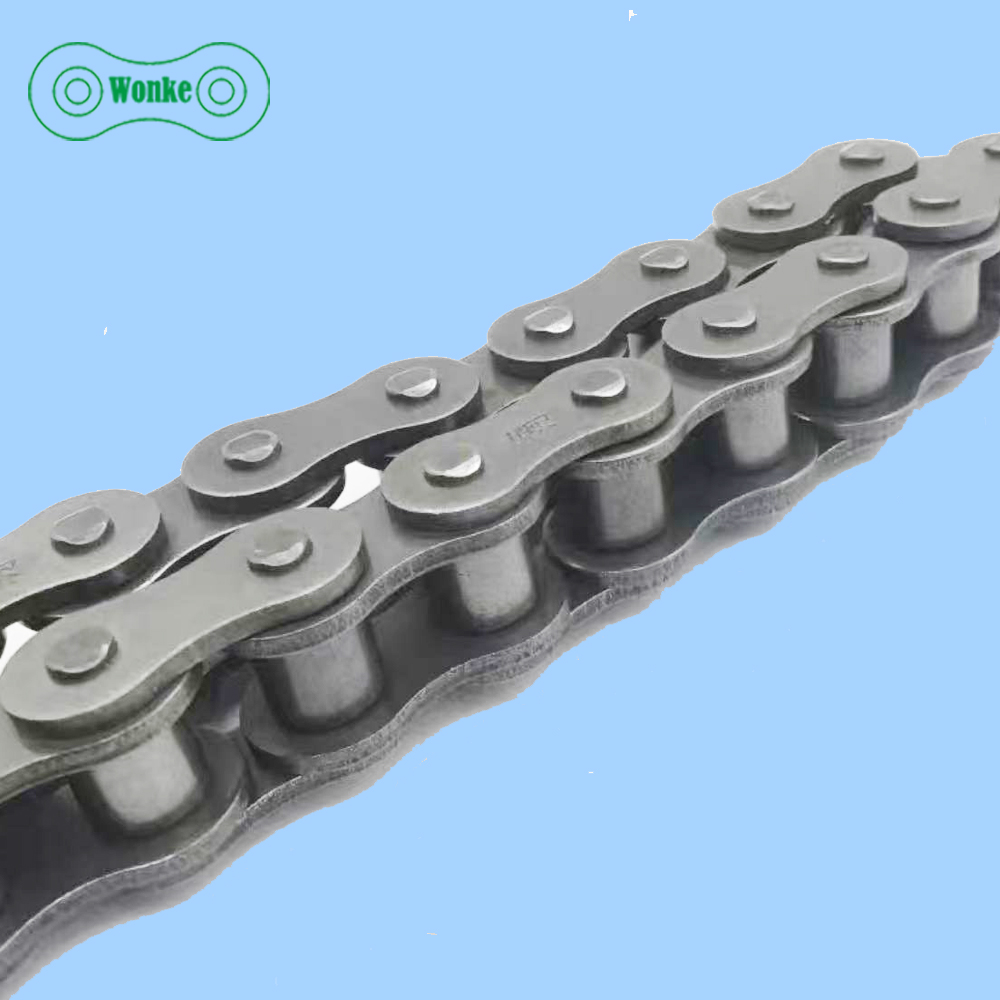
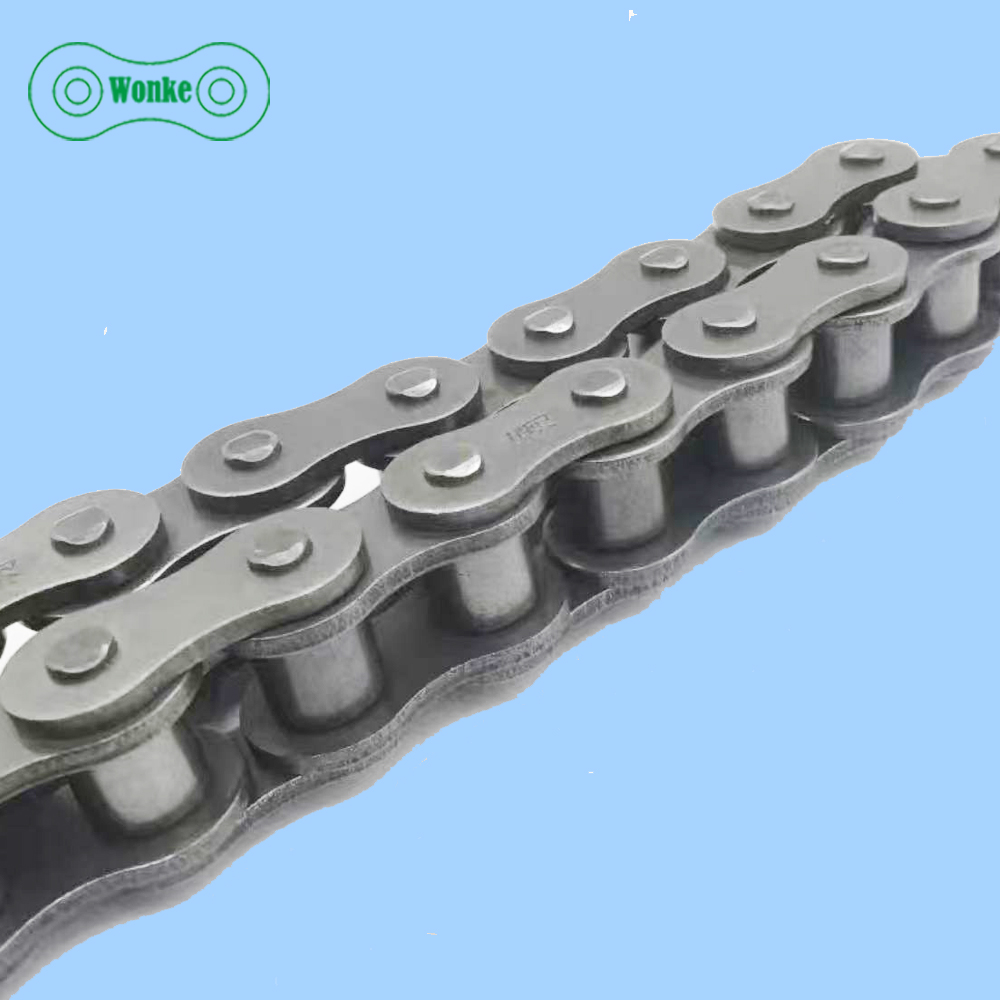
Each chain link contains a roller, pins, and a metal plate that connects to adjacent links. When the chain runs on drive sprockets, the rotational motion from the motor is converted into linear movement along the chain conveyor.
This design allows the conveyor to convey products steadily without interruptions. Because the surface is smooth and stable, flat top chains are ideal for transporting fragile or lightweight items.
How Does a Flat Top Conveyor Chain Work?
A flat top conveyor chain operates by engaging with sprockets connected to a motor or drive unit. As the sprockets rotate, the chain moves along guide rails and carries products across the conveyor system.
The roller structure inside each link helps reduce friction and allows the chain to move smoothly along the conveyor track. At the same time, the connected plates distribute the load evenly across the surface.
Because of this design, flat top chains can support continuous operation in industrial environments while maintaining reliable transmission and stable product movement.
What Materials Are Used in Flat Top Chains?
The material used in a flat top chain depends on the application and working environment.
One common option is stainless steel flat top chain. Chains made from stainless steel offer excellent corrosion resistance and strong wear resistance, making them suitable for humid or heavy-duty environments.
Another popular option is plastic flat top chain. This plastic design is lightweight and provides low friction performance, which makes it ideal For Food Processing and packaging systems.
Choosing the right material helps ensure long service life and reliable operation for your conveyor equipment.
Visit our product page to see stainless steel and plastic flat top chain options.
Where Are Flat Top Chains Used?
The application of flat top chains covers many industries that rely on automated conveyor systems.
Beverage Industry
In the beverage industry, conveyors transport bottle products through filling, labeling, and packaging machines. The stable flat top surface prevents bottles from tipping during movement.
Packaging Lines
Flat top chains are widely used in packaging operations where carton boxes and sealed goods must move through sorting and sealing systems.
Automotive Industry
In the automotive industry, strong conveyor chains move components between assembly stations. These chains must handle higher load levels while maintaining consistent performance.
Advantages of Using Flat Top Conveyor Chains
A flat top conveyor chain offers several advantages compared with other conveyor solutions.
First, the flat plate structure provides a stable conveying surface that protects products during transport.
Second, the chain design works efficiently with drive sprockets, ensuring smooth transmission and reliable movement.
Third, high-quality chains require minimal maintenance, reducing operating costs for manufacturers.
Because of these benefits, flat top chains are widely used in modern industrial conveyor systems.
How to Choose the Right Flat Top Chain
When selecting a chain for your conveyor system, several factors should be considered.
Conveyor Layout
Determine whether the system requires straight running sections or curved conveyors with side flexing capability.
Chain Material
Choose stainless steel for heavy-duty environments or plastic chains for lightweight applications.
Load Requirements
Ensure the chain can handle the required load capacity for your production line.
Compatibility
The chain must match the correct sprockets and conveyor design to ensure smooth operation.
Check our flat top chain catalog to find the right model for your conveyor system.
Why Many Buyers Choose Suppliers from China
Many global companies purchase conveyor chains from suppliers from china because of competitive pricing and strong manufacturing capabilities.
A reliable supplier can provide a complete catalog of conveyor chains, sprockets, and accessories. Manufacturers in china also offer flexible production capacity and custom solutions for specialized applications.
Working with a trusted chain manufacturer ensures consistent quality and reliable delivery for industrial customers.
Looking for a Reliable Flat Top Chain Manufacturer?
If you are searching for durable conveyor chains, our company provides professional solutions including:
-
Stainless steel flat top chains
-
Plastic flat top conveyor chains
-
Custom chain conveyor solutions
-
Matching sprockets and accessories
Our products are widely used in beverage, packaging, and automated industrial conveyor systems.