Flat Top Chains – Efficient Solutions for Industrial Conveying
Description
Introduction:
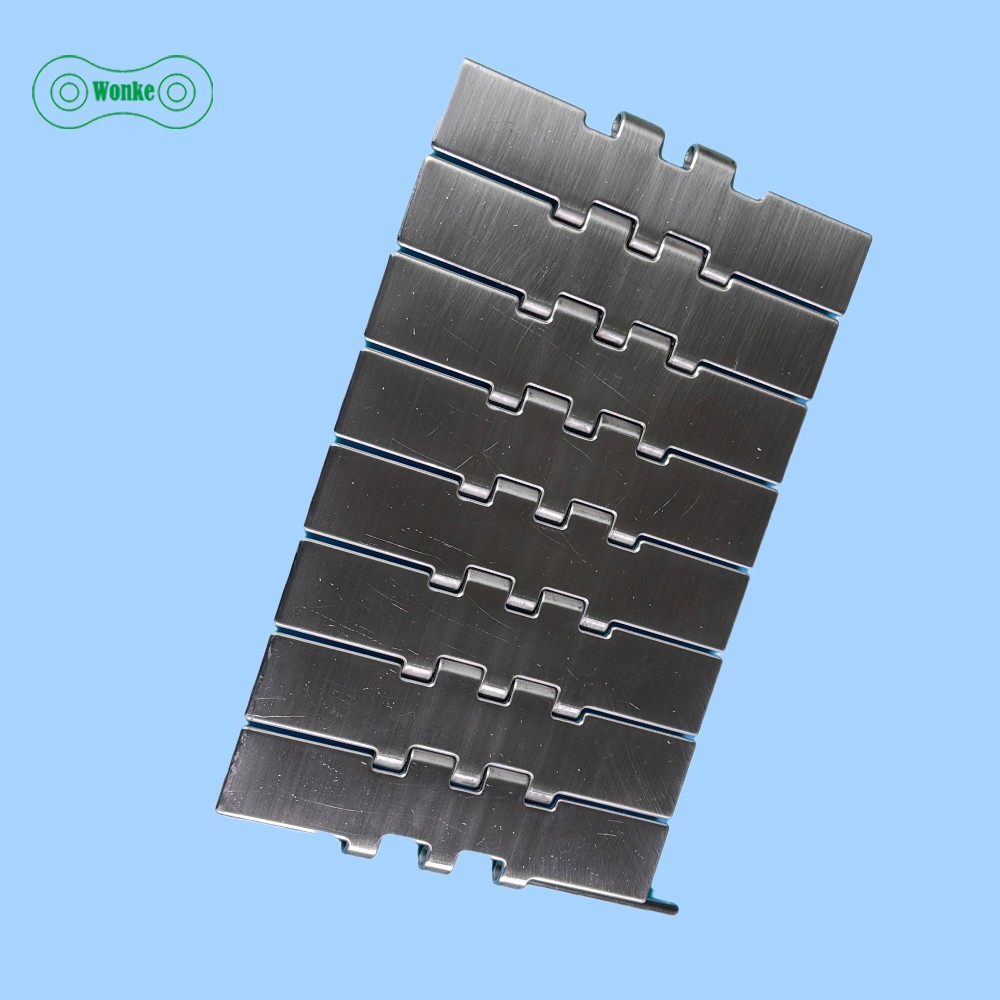
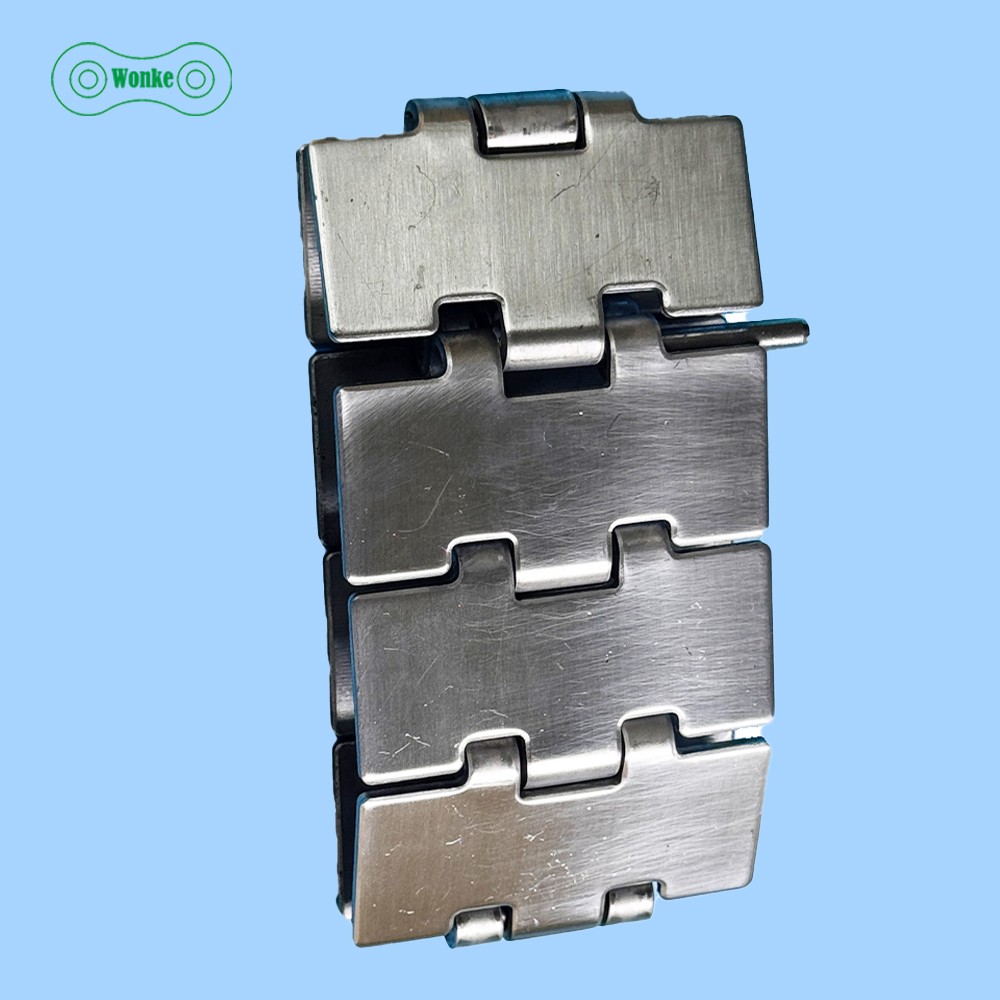
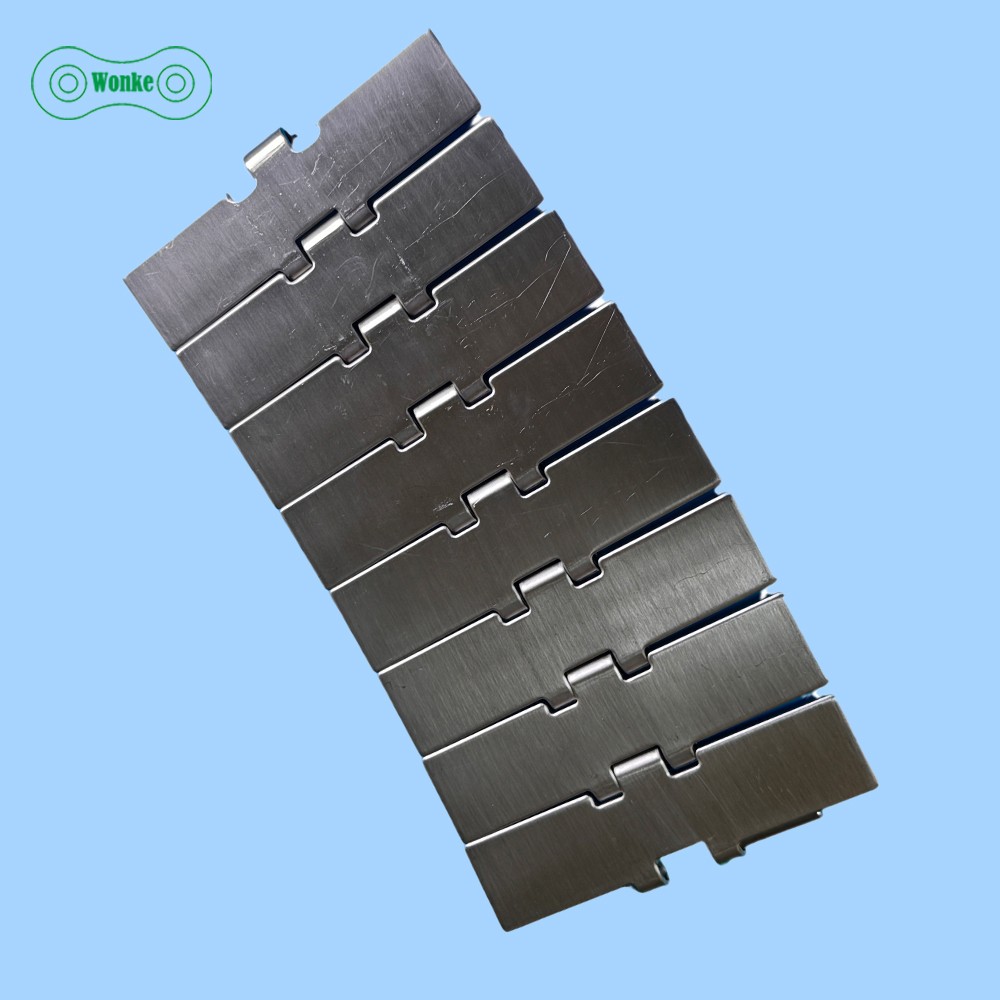
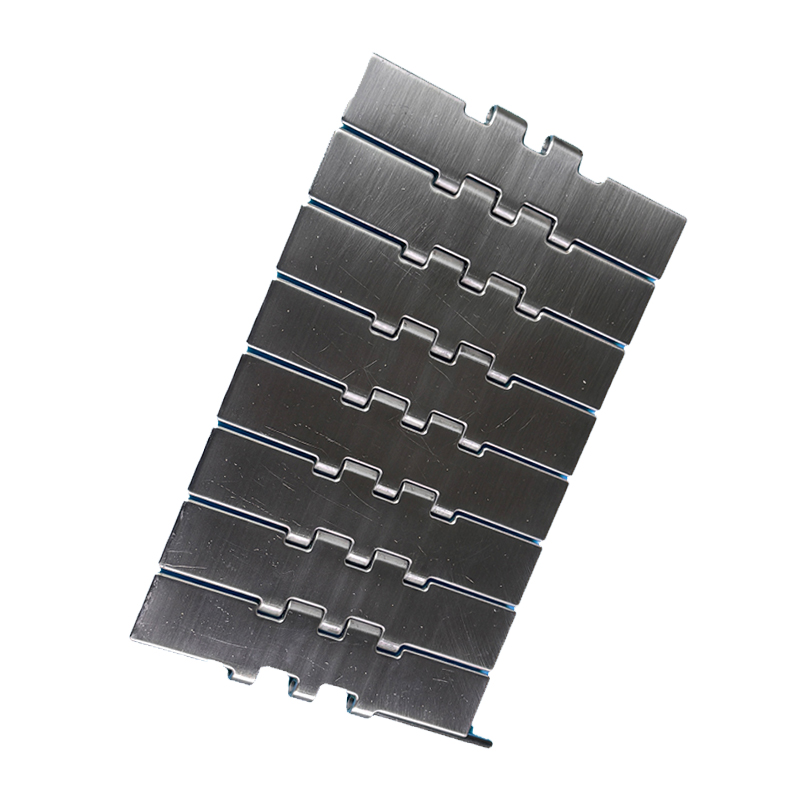
Flat top chains, also known as flat top conveyor chains, are a specialized type of chain designed for material handling applications. Unlike traditional roller chains, the flat top surface allows products to be placed directly on the chain, providing a stable and continuous transport platform. These chains are widely used in automated production lines, packaging systems, and logistics operations where stability, precision, and durability are essential.
Structure and Design:
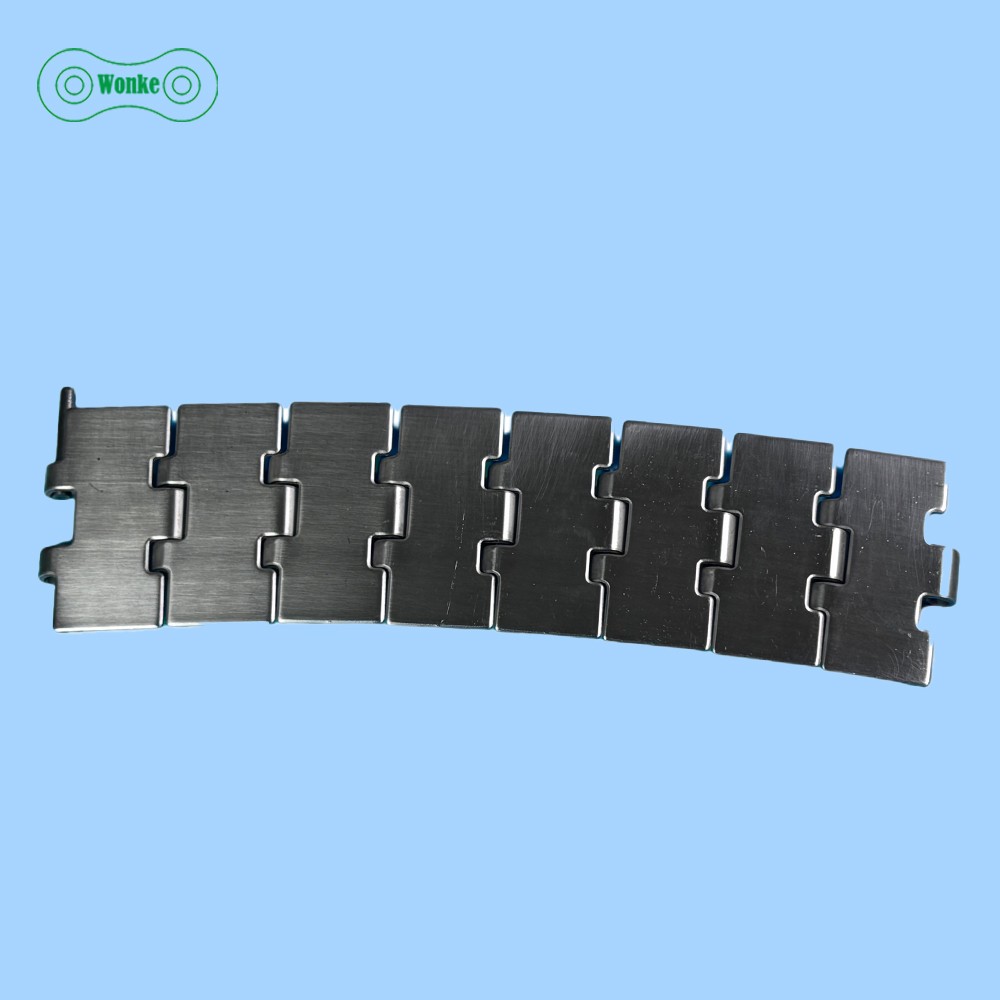
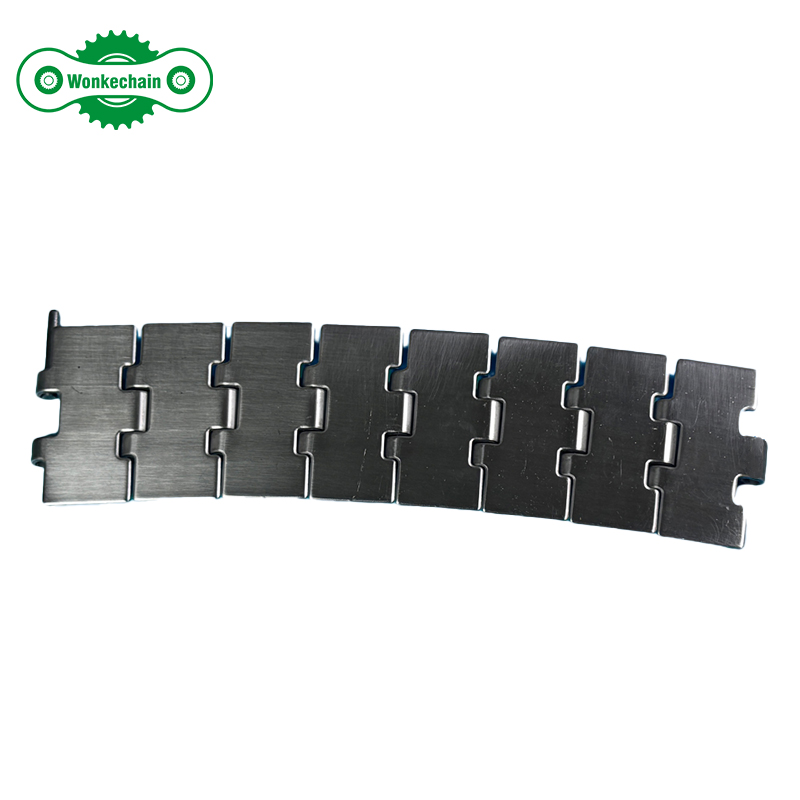
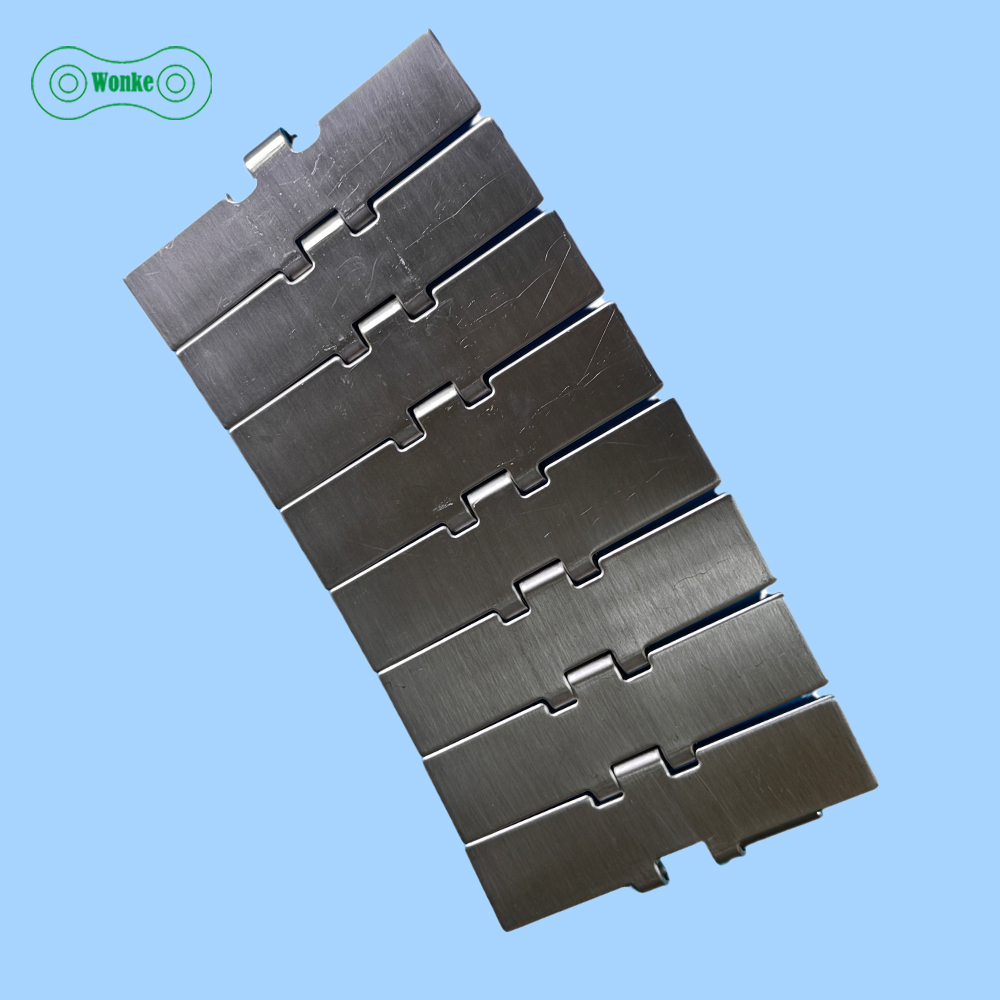
Flat top chains are composed of chain links and top plates that form a smooth surface for product conveyance. Key design elements include:
Flat Top Plates: Provide a uniform surface for direct product placement, ensuring stability during transport.
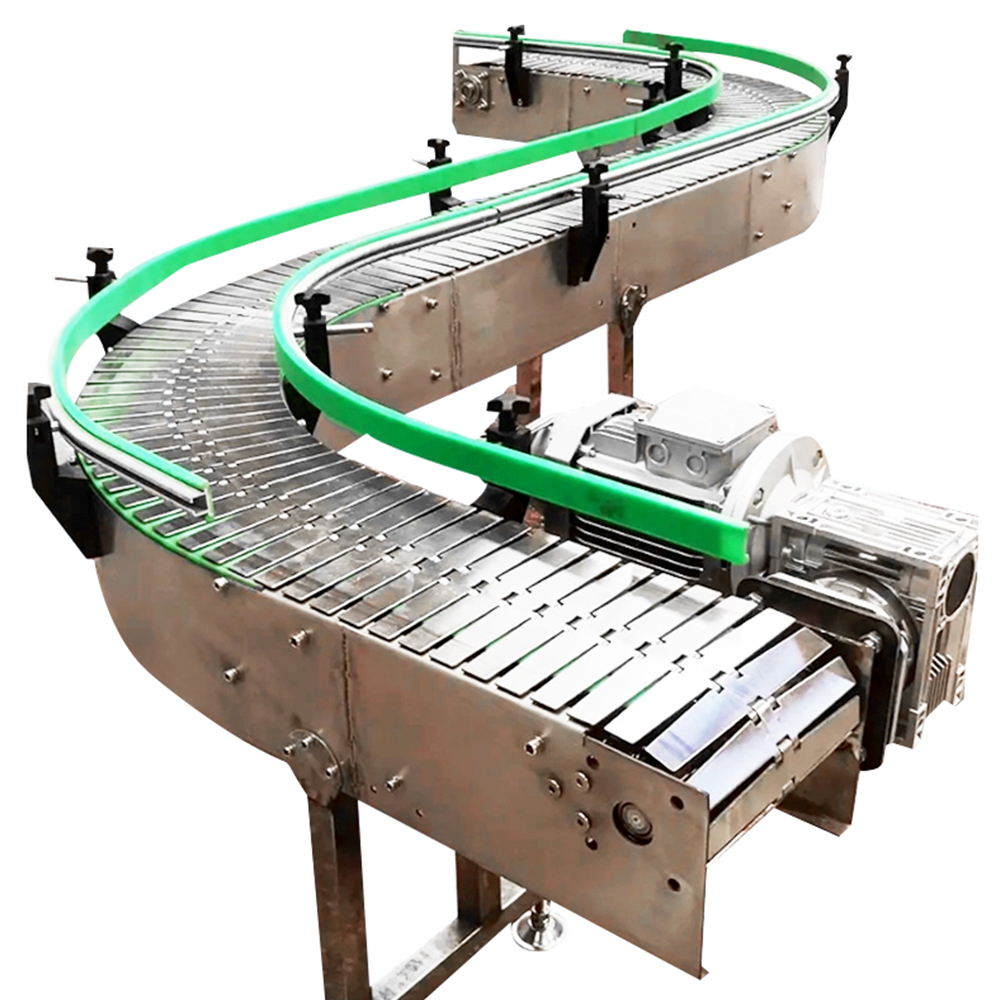
Link Construction: The interlinked chain design allows for flexibility, enabling straight and curved conveyor paths.
Material Options: Chains are typically made from carbon steel, alloy steel, stainless steel, or engineered plastic depending on the operational requirements. Carbon steel offers strength and load-bearing capacity, stainless steel provides corrosion resistance for hygienic environments, and plastic chains reduce noise and weight for light-duty applications.
Customization Options: Width, length, top plate size, and surface treatment can all be customized to meet specific operational demands.
Applications:
Flat top chains are extremely versatile and find applications across a range of industries:
Food and Beverage: Bottling lines, canning, and packaged food transport, where hygiene and stability are critical.
Pharmaceutical and Cosmetic Packaging: Reliable transport of bottles, tubes, and delicate products.
Electronics Manufacturing: Precise handling of components during assembly and testing.
Automotive Industry: Moving heavy parts along production lines with consistent speed and accuracy.
Logistics and Warehousing: Handling boxes, pallets, and other goods requiring stable positioning.
Advantages:
High Stability: Flat top design prevents products from tipping or sliding during transport.
Precision and Control: Ideal for automated lines where product positioning is crucial.
Durability: Engineered materials and surface treatments extend service life under continuous operation.
Flexibility: Can handle straight runs, curves, and complex conveyor layouts.
Hygienic Options: Stainless steel and plastic versions are suitable for food, beverage, and pharmaceutical environments.
Selection Guide:
When choosing a flat top chain, consider the following factors:
Load Capacity: Determine based on the weight and dimensions of products being transported.
Operating Speed: High-speed conveyors require precision-engineered chains to reduce wear and misalignment.
Environmental Conditions: Corrosive or hygienic environments benefit from stainless steel or plastic chains.
Conveyor Layout: Straight, curved, or multi-level conveyors may require specific link designs or sprocket configurations.
Conclusion:
Flat top chains are a reliable and versatile solution for industrial conveyors. With their flat surface, durable materials, and customizable options, they are essential for industries that demand stable, precise, and efficient material handling. Choosing the right flat top chain can significantly enhance production efficiency, reduce product damage, and ensure smooth operation across diverse applications.