
Description
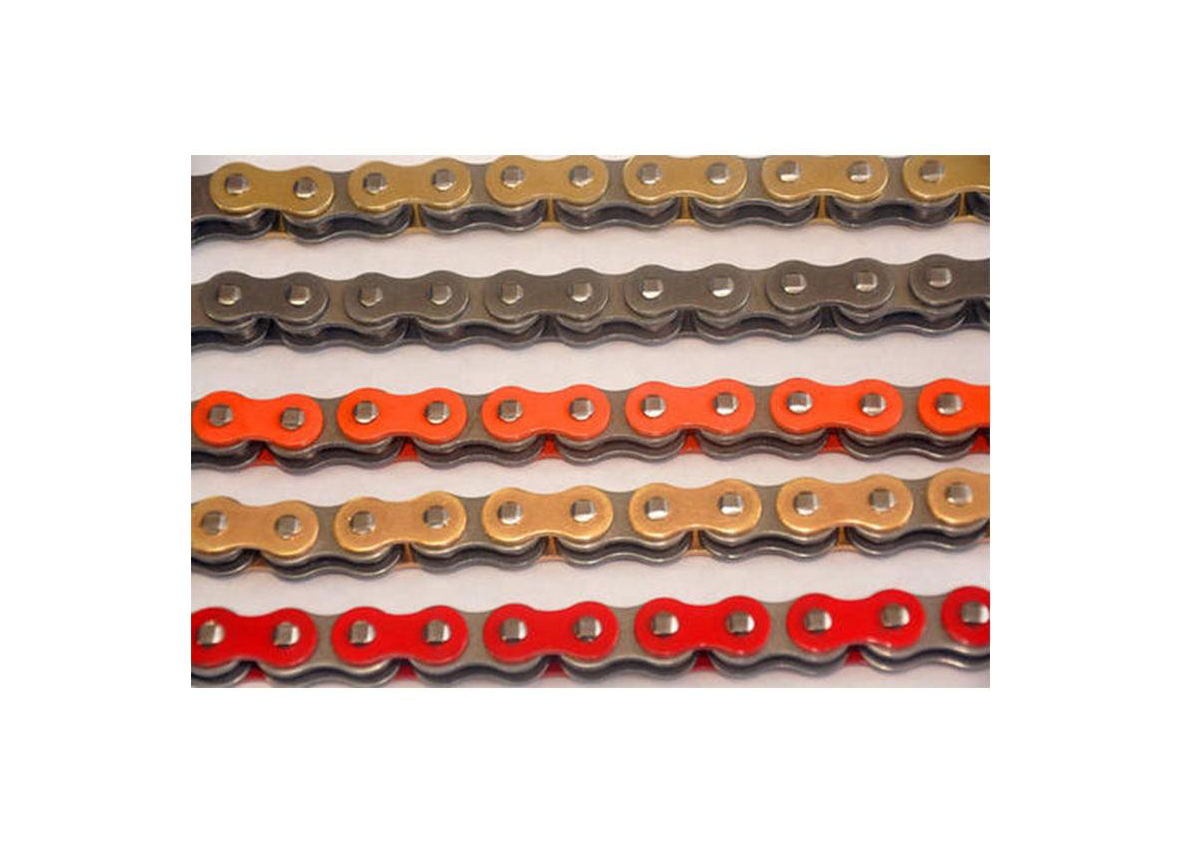
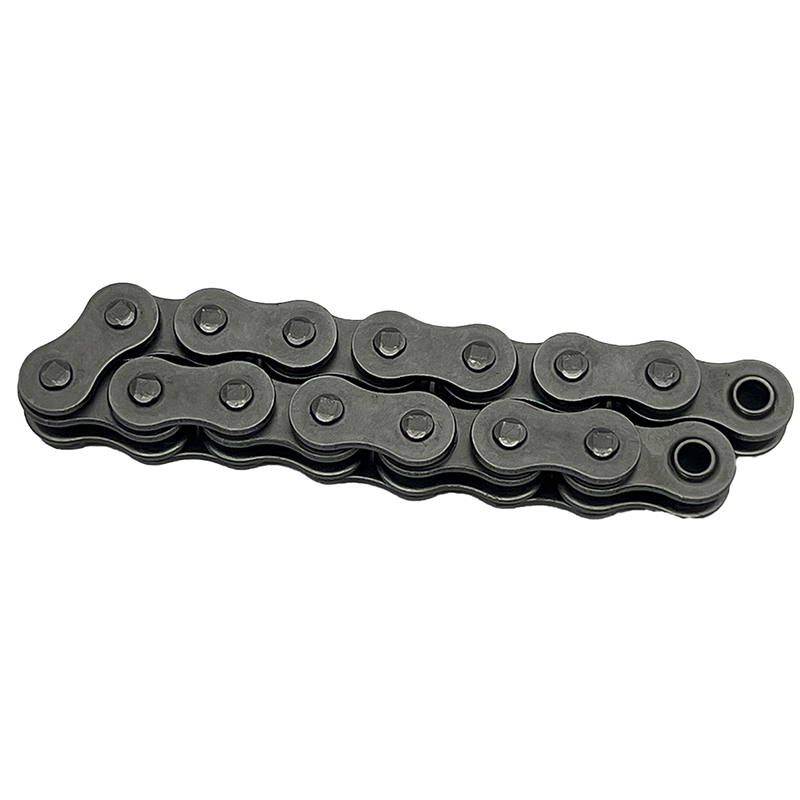
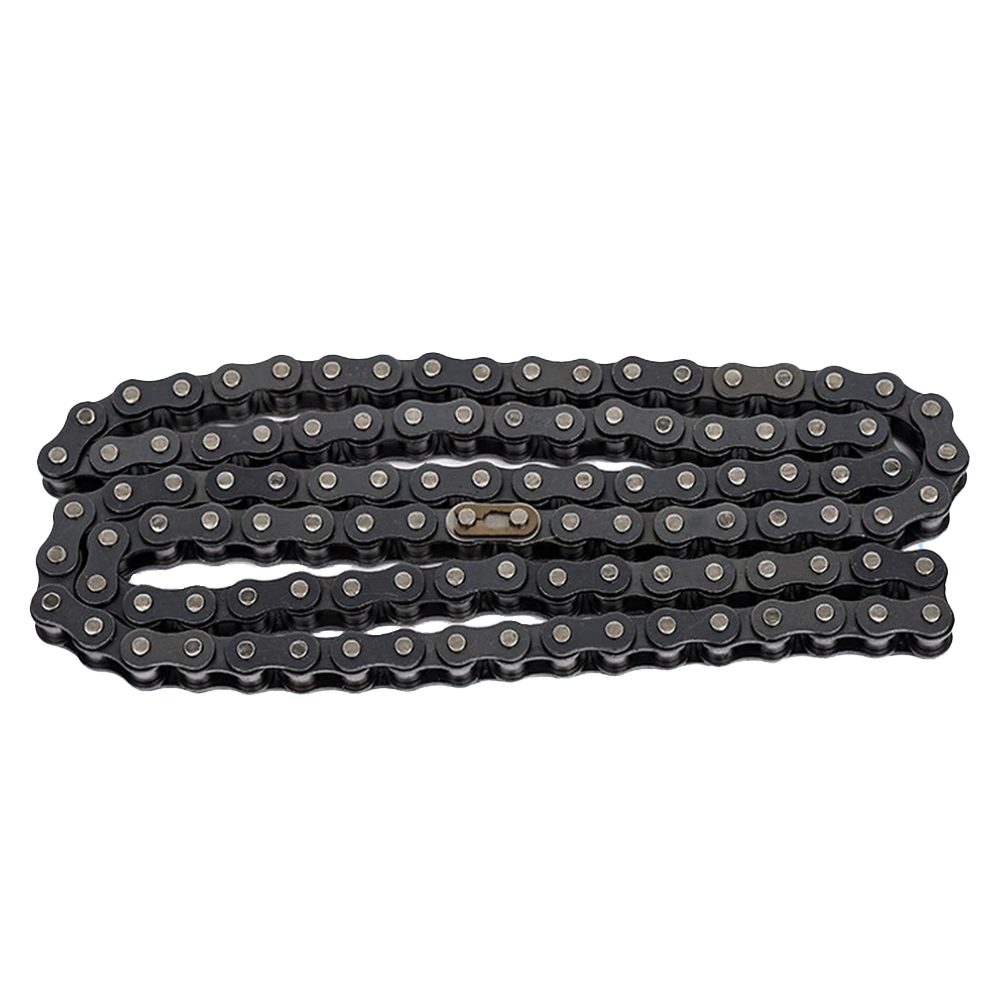
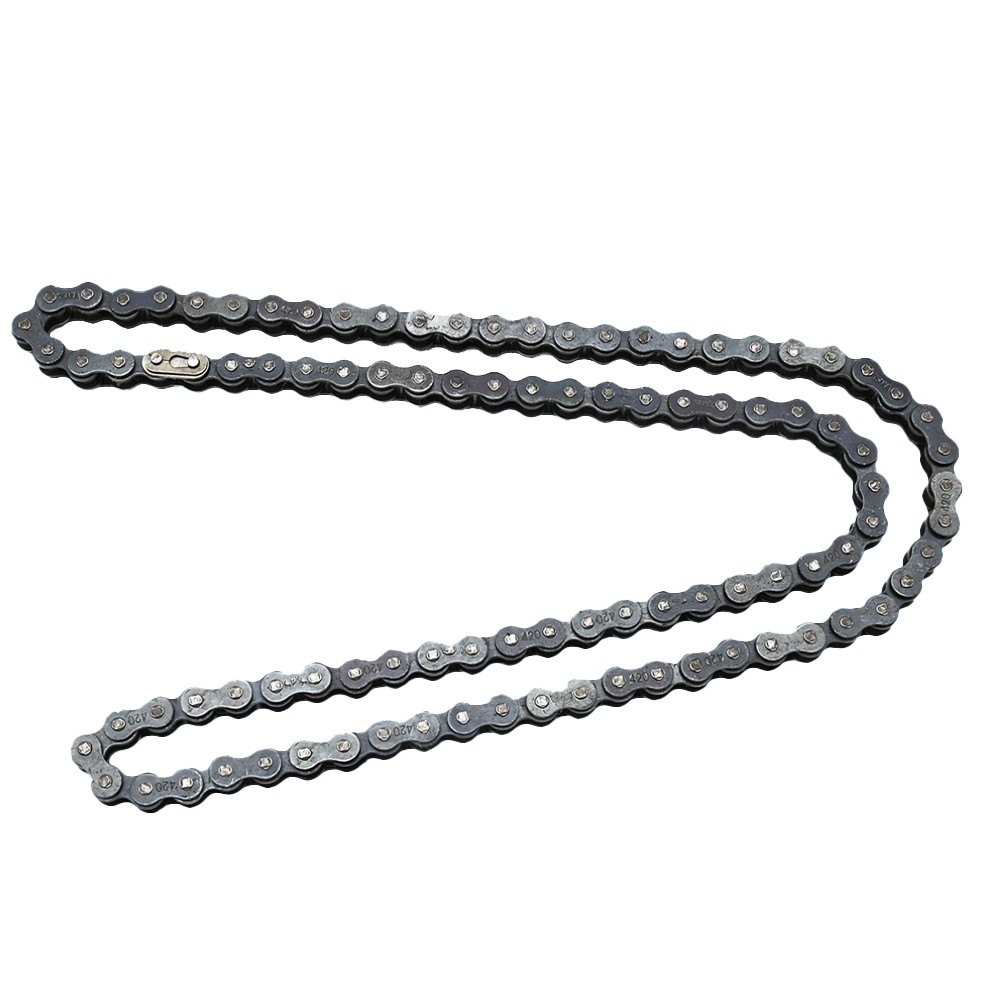
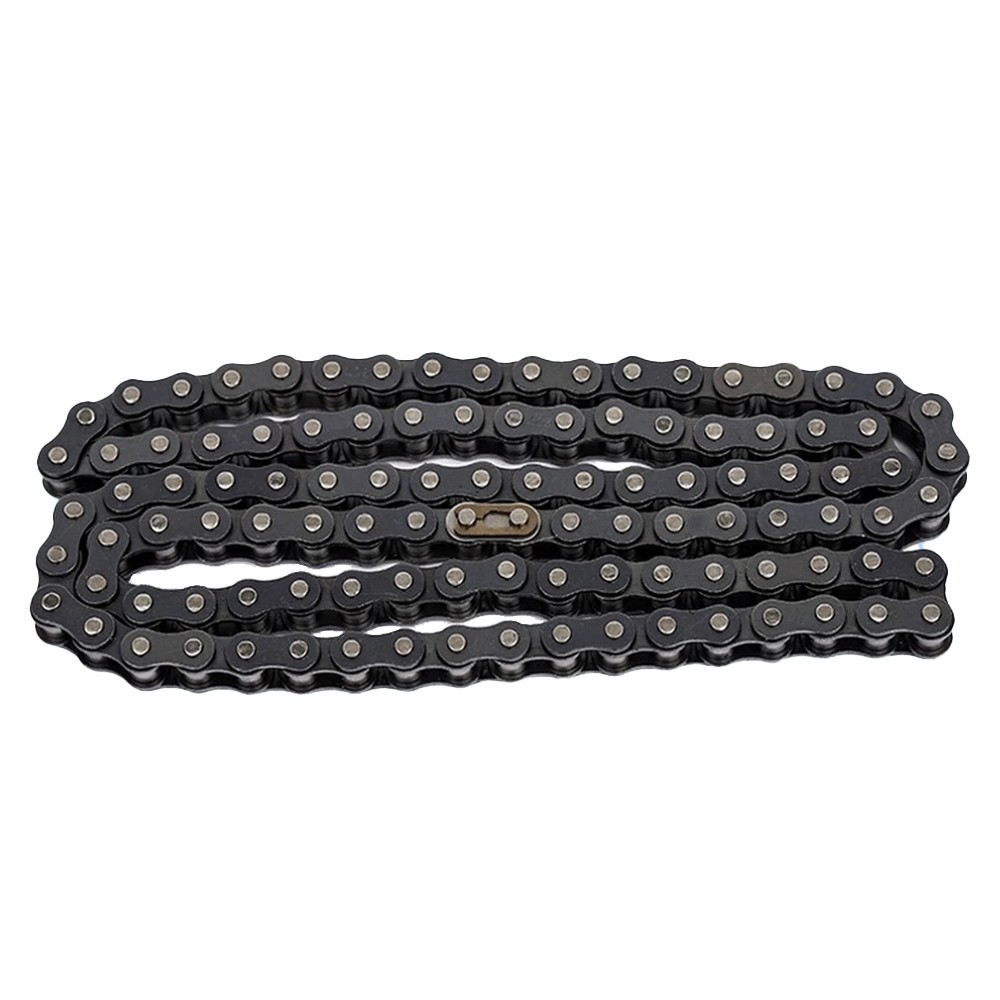
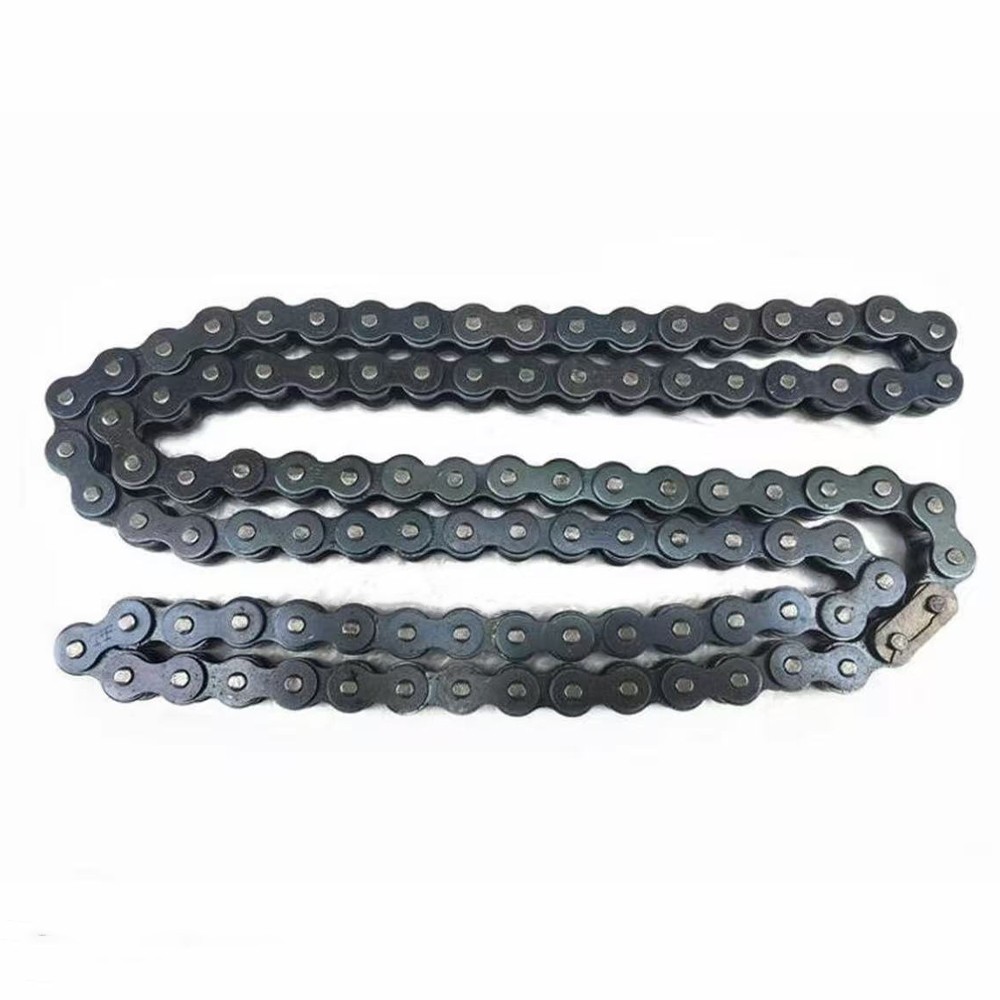
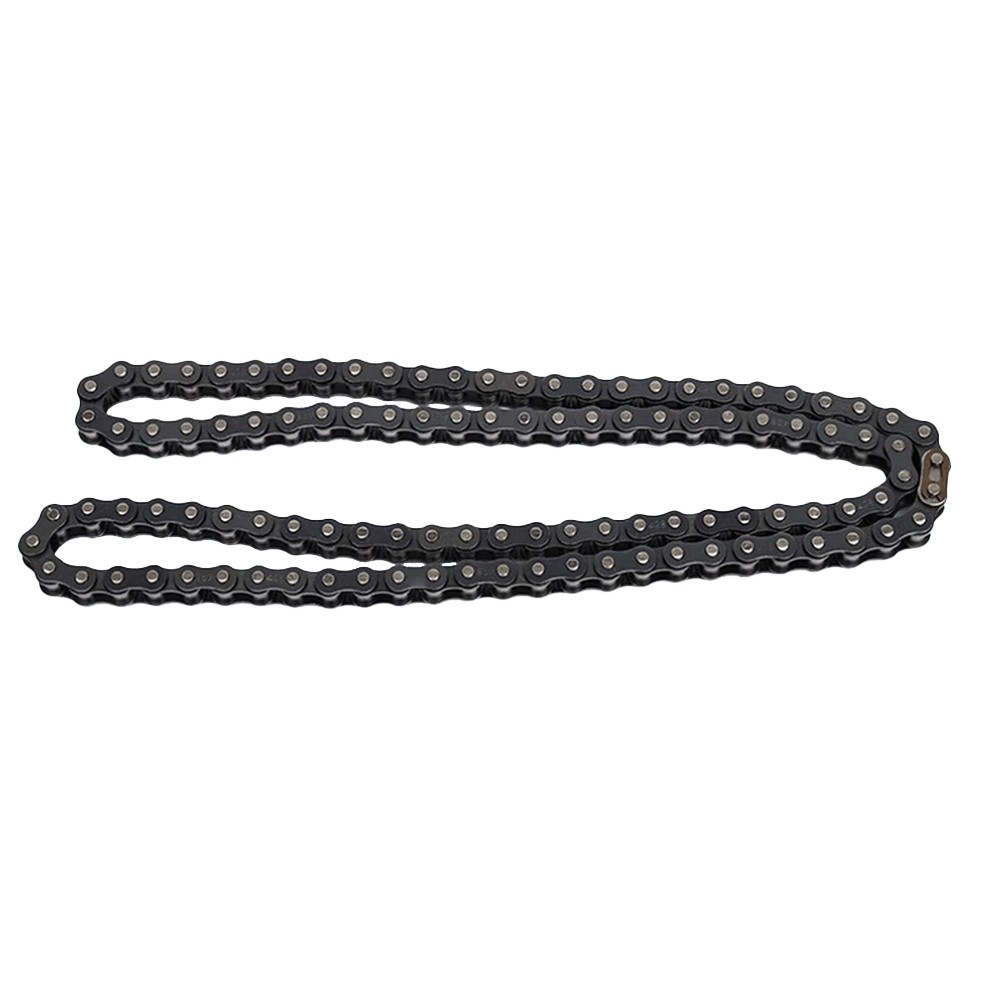
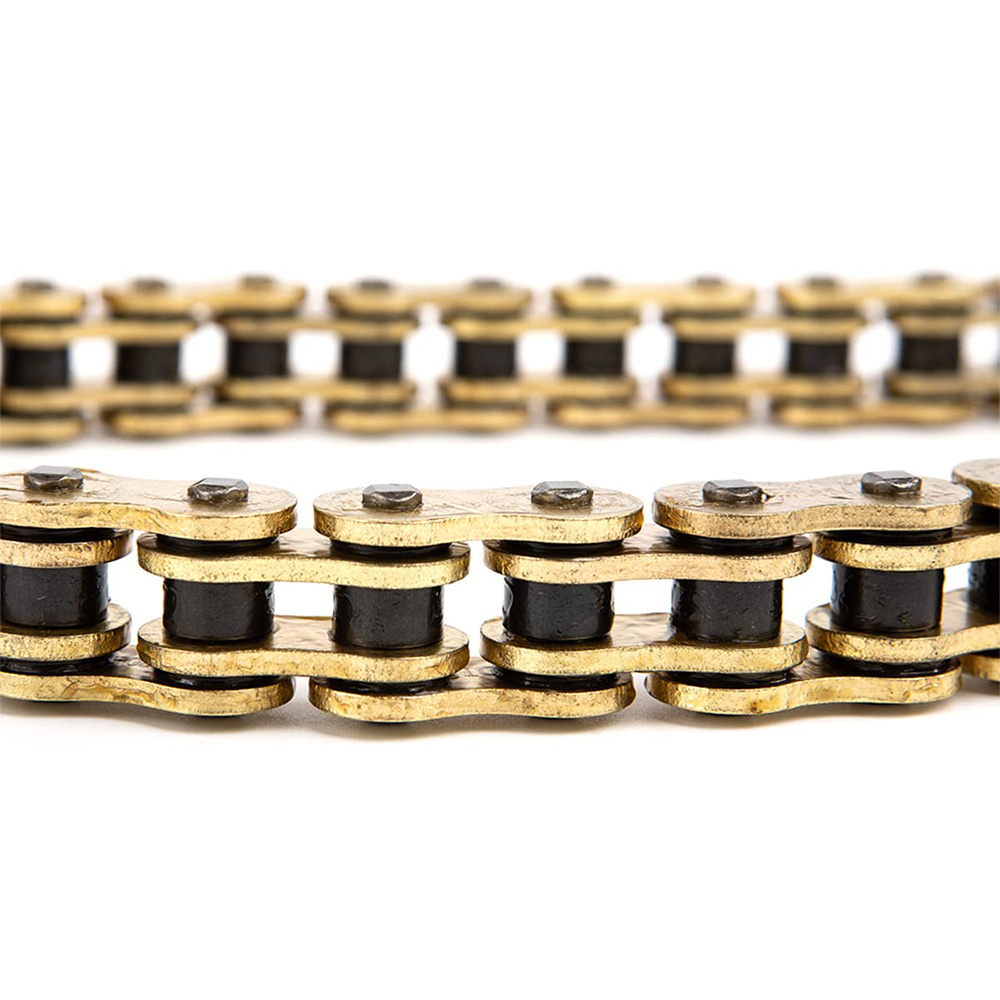
Motocross Chain Engineering Overview – 420DX / 428DX / 520DX Technical Models
The DX-series Motocross Chain lineup is engineered through a materials-science-driven workflow that enhances structural fatigue strength, wear resistance, and anti-contamination performance under off-road conditions.This engineering-focused overview explains the actual mechanisms behind chain durability, including alloy composition, sealing structure, force distribution, and heat-treatment processes.
Engineering Background – Why Off-Road Chains Fail
Off-road conditions introduce three major failure modes in unSealed Chains:Abrasive Wear (Mud, Sand, Dust)
Microparticles enter gaps between pins and bushings, acting like grinding compounds.Impact Fatigue (Landing, Sudden Torque Load)
Chain plates experience micro-cracks from repetitive impact forces during jumps or aggressive acceleration.Lubrication Loss
Without a sealed lubrication pocket, the internal friction coefficient increases, producing heat and elongation.The DX Motocross Chain series is designed specifically to eliminate these three issues.
Fluoropolymer Seal – The Core Engineering Breakthrough
The key technological feature of the DX Motocross Chain is its high-temperature and high-wear-resistant fluoropolymer sealing ring, engineered with:- Ultra-thin profile to fit small-clearance motocross bikes
- Triple-barrier grease retention system
- Anti-chip contact geometry to prevent debris from damaging the sealing lip
- Reduced cold-start friction due to micro-contact ring points
The seal maintains lubrication inside the pin-bushing interface for hundreds of hours, extending lifespan to 3× longer than standard chains.
Zero-Gap Seamless Bushings & Rollers
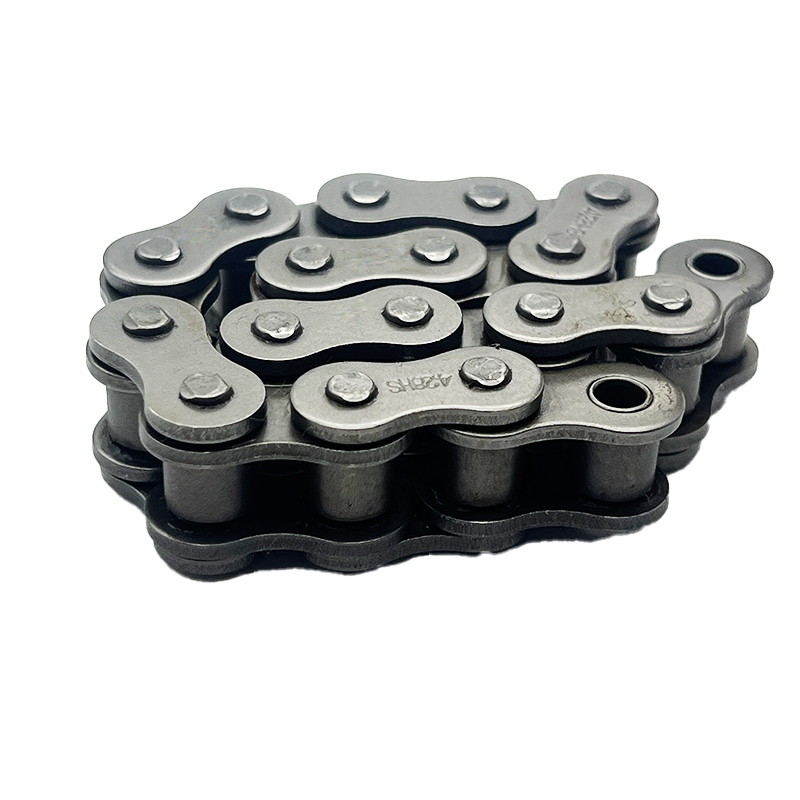
Each DX chain uses seamless bushings and rollers, manufactured by cold extrusion.Engineering benefits:
- Eliminates longitudinal gaps
- Improves circularity
- Reduces vibration at high RPM
- Enhances oil distribution inside the bushing
Chromated Alloy Pins – Microstructure and Advantages
Pins undergo:✔ Carbon alloy steel selection
✔ Vacuum carburizing
✔ Deep quenching
✔ Chromium plating for anti-corrosion
✔ Cryogenic stabilization
These processes improve:
- Torsional strength
- Shear strength
- Fatigue resistance
- Anti-rust performance in mud/water
420DX Motocross Chain – Engineering Specification (125cc)
- Displacement range: Up to 125cc
- Average Tensile Strength: 2350 kgf
- Application: Lightweight motocross racing, youth MX, trail bikes
- Key Advantage: Lightweight + low rotational inertia
The 420DX uses thinner plates and optimized pitch-to-width ratio, reducing parasitic drag and improving acceleration responsiveness.
428DX Motocross Chain – Engineering Specification (150cc)
- Displacement range: Up to 150cc
- Average Tensile Strength: 3000 kgf
- Application: Mid-range MX racing, enduro, training bikes
- Structural Note: Stronger lateral rigidity than 420DX
428DX uses increased chain width and plate thickness for better load distribution, ideal for mixed off-road terrains.
520DX Motocross Chain – Engineering Specification (400cc)
- Displacement: Up to 400cc
- Average Tensile Strength: 3950 kgf
- Application: Professional motocross racing, deep sand, mud tracks
- Key Feature: Racing-grade heavy-duty structure with enhanced impact tolerance
520DX supports extreme torque output and heavy-frame MX bikes, suitable for competitive racing environments.
Engineering Conclusion
The DX Motocross Chain series is not simply an upgraded chain—it is a fully engineered drivetrain component designed to withstand high-impact, high-abrasion motocross conditions using modern sealing materials, metallurgical treatments, and structural optimization.