
Picking the Right Go-Kart Chain Size
Picking the Right Go-Kart Chain Size
Picking the right chain size is a key step when you build or fix a go-kart. The chain sends power from the engine to the rear wheels. The wrong chain size can lower speed, wear out parts fast, and break during a race.
This guide works for fun karts, racing karts, and custom karts. It shows you how to find the right chain. It compares common sizes like 35, 40, 41, 420, and 219. It also helps you keep your drivetrain in good shape.
What Go-Kart Chain Size Means
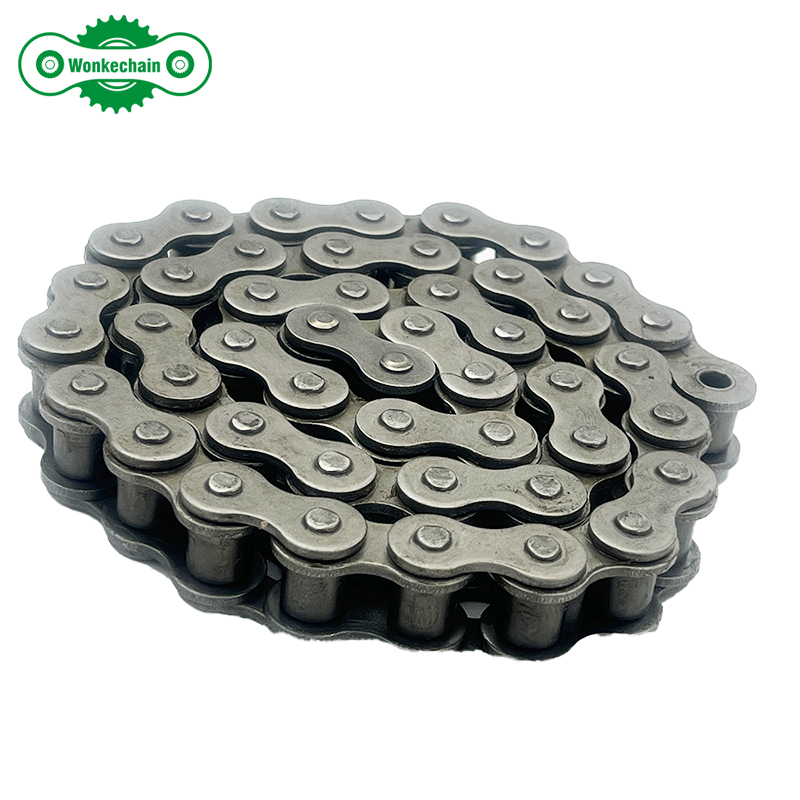
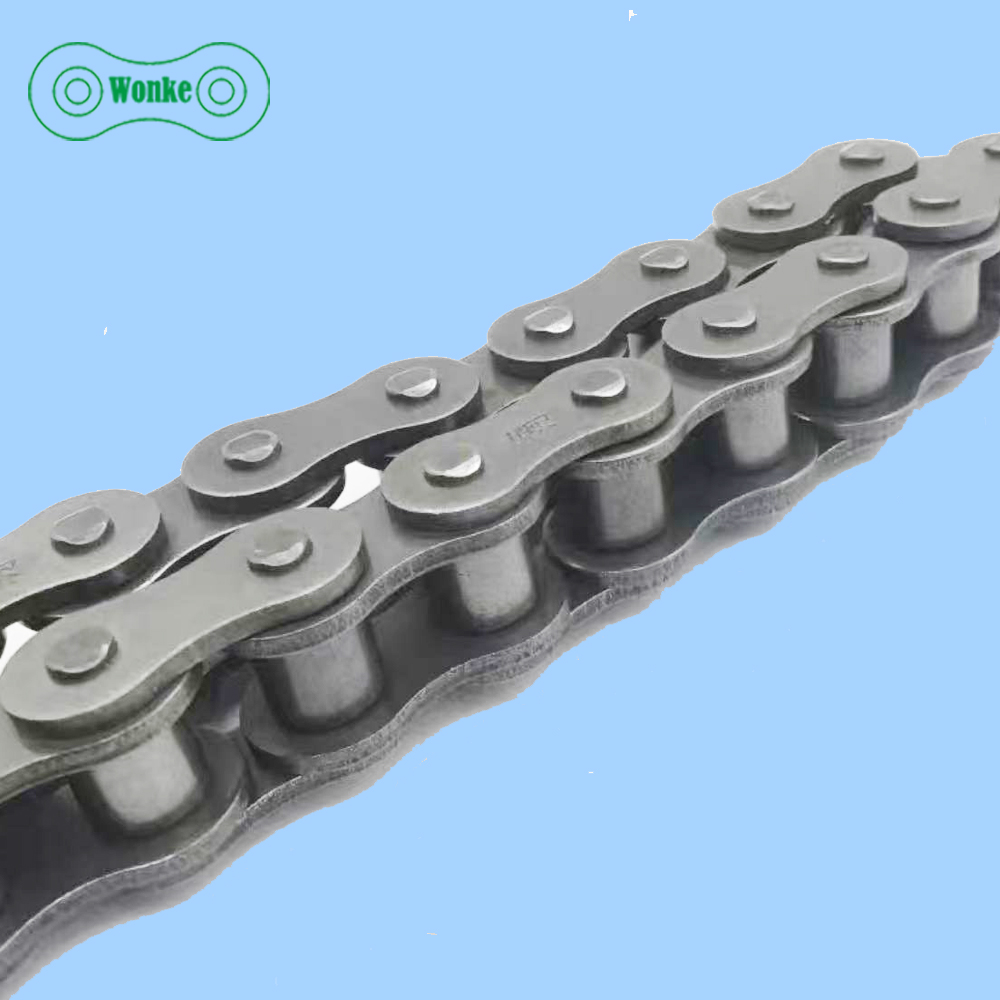
Chain size is the measurements of a roller chain. These include pitch, roller width, and plate design. These numbers tell you if the chain fits your sprocket and engine.
The most common go-kart chain sizes are:
- 35 chain – for racing and fun karts. It is light and has low friction.
- 40 chain – for medium-duty karts. It can handle more load.
- 41 chain – for utility use. It is like #40 but has thinner side plates.
- 420 chain – for high-power karts and motorcycles. It is stronger and lasts longer.
- 219 chain – for pro sprint racing. It is light and very precise.
The right chain size depends on your engine, how you drive, your horsepower, and your drivetrain design.
How to Measure Chain Size
Before you buy a new chain, measure the old one.
Do these steps:
- Measure the pitch. This is the distance from the center of one pin to the next pin. Most measurements are in inches.
- Measure the roller width between the inner plates.
- Measure the roller diameter.
- Count the link sections to know the chain length.
- Look for a stamp on the old chain. Many makers print the size on the side plates.
These steps help you pick a chain that fits without guessing.
How to Choose the Right Chain for Different Engines
#35 Chain
The 35 chain is common for fun karts and mini bikes. It works well and keeps weight low.
Good points:
- Light
- Runs smooth
- Works with small engines
- Easy to put on
#40 Chain
The 40 chain is stronger than #35. People use it when they need more torque or heavier loads.
Good points:
- High pull strength
- Lasts longer
- Handles bigger engines
#41 Chain
The 41 chain has the same pitch as #40. But it has thinner side plates, so it is a bit weaker. It works for light-duty gear. It is not very common for performance karts.
420 Chain
The 420 chain is for high-performance use. Many racing builders pick the 420 chain for big engines with lots of power.
Good points:
- Very strong
- Long life
- Resists wear well
- Good for high speeds
219 Racing Chain
The 219 racing chain is used by pro race teams and makers like RLV. It fits the sprocket very well. It has low rotating weight, so you get fast acceleration.
Match Chain and Sprockets
Your chain must fit both the drive sprocket and the rear sprocket.
Do not put a #35 chain on a #40 sprocket. Do not put a 420 chain on a #35 sprocket.
A simple rule:
- Same pitch
- Same roller size
- Same tooth shape
- Matching sprockets
If the chain does not fit each tooth well, change the chain or the sprocket.
How to Find the Right Chain Length
You also need the right chain length.
These things affect chain length:
- The space between the clutch and the rear axle
- The number of teeth on the rear sprocket
- Where the engine sits
- How much the axle can move
Many builders use a chain breaker to take out extra links after they put the chain on.
Always leave some slack. This lets the drivetrain move when the chassis and suspension flex.
Care Tips to Make Your Chain Last Longer
Good care makes any chain last much longer.
Best things to do:
- Clean the chain often.
- Put on good chain oil after each ride.
- Keep it well oiled.
- Check the outer and inner side plates for wear.
- Check the rollers.
- Adjust the chain tension if needed.
- Change worn sprockets with the chain.
- Keep the wheels aligned right.
- Reduce dirt to make it last.
Routine care cuts friction, boosts efficiency, and gives you the best performance.
Tips for Picking a Chain
When you pick a chain, think about:
- Engine horsepower
- Torque
- Speed you want
- What you use the kart for
- The driver's weight
- If your kart has a clutch or torque converter
- The pull strength you need
- Weather and conditions
A better roller chain may cost more. But it often lasts longer, works better, and costs less to keep up over time.
Why Chain Quality Matters
Chain quality changes how power moves, how safe you are, and how well you run.
Good chains have:
- Exact pins
- Hard bushings
- Strong side plates
- Steady pitch
- Great wear resistance
- Stable roller size
These features make the chain last longer, work better, and give you more total life.
Conclusion
Picking the right chain size is not just about matching numbers. You need to look at the engine, pitch, sprockets, chain length, power, and how you use the kart.
If you need a 35 chain, 40 chain, 41 chain, 420 chain, or a pro 219 racing chain, a good quality chain that fits will make you safer, give you better speed, and lower your care costs.
If you want a reliable maker of top roller chain products for go-karts and mini bikes, Wonke Chain makes precision parts that last long, resist wear well, and give steady power.
FAQ
1. What is the most common chain size for go-karts?
The 35 chain is very common for fun karts. Racing karts often use the 219 chain. Bigger engines may need a 420 chain.
2. Can I replace a #35 chain with a #40 chain?
You can only do this if both sprockets are made for a #40 chain. The chain and sprocket sizes must always match.
3. How do I measure my go-kart chain?
Measure the pitch, roller width, and roller diameter. Count the links. Also look for a size stamp on the chain.
4. How often should I oil my chain?
Put on good chain oil after you clean it. Also oil it after you ride in wet or dusty places. This keeps it oiled and makes it last.
5. What causes a go-kart chain to wear out fast?
Poor oiling, wrong tension, worn sprockets, dirt, and using the wrong chain size are the most common reasons.