Custom Non-Standard Roller Chain Manufacturer & Supplier
In today's manufacturing environment, not every application can be served by a standard chain. Many machines require unique transmission solutions that differ from conventional specifications. This is where the Non-Standard Roller Chain becomes essential.
A Non-Standard Roller Chain is designed and manufactured according to specific operating requirements, providing greater flexibility for specialized equipment, heavy-duty systems, and unique engineering projects.
What Is a Non-Standard Roller Chain?
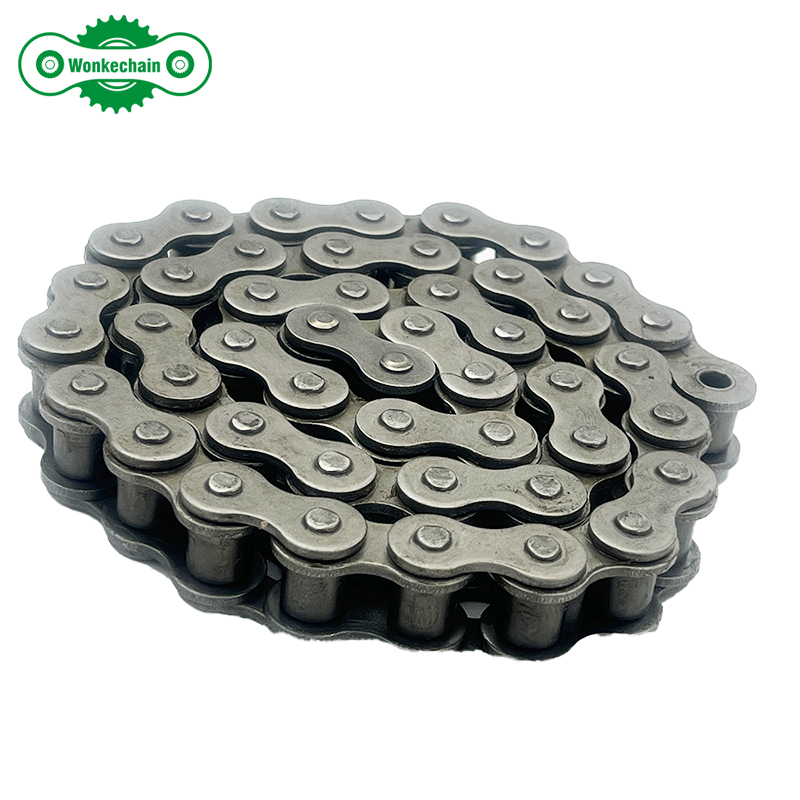
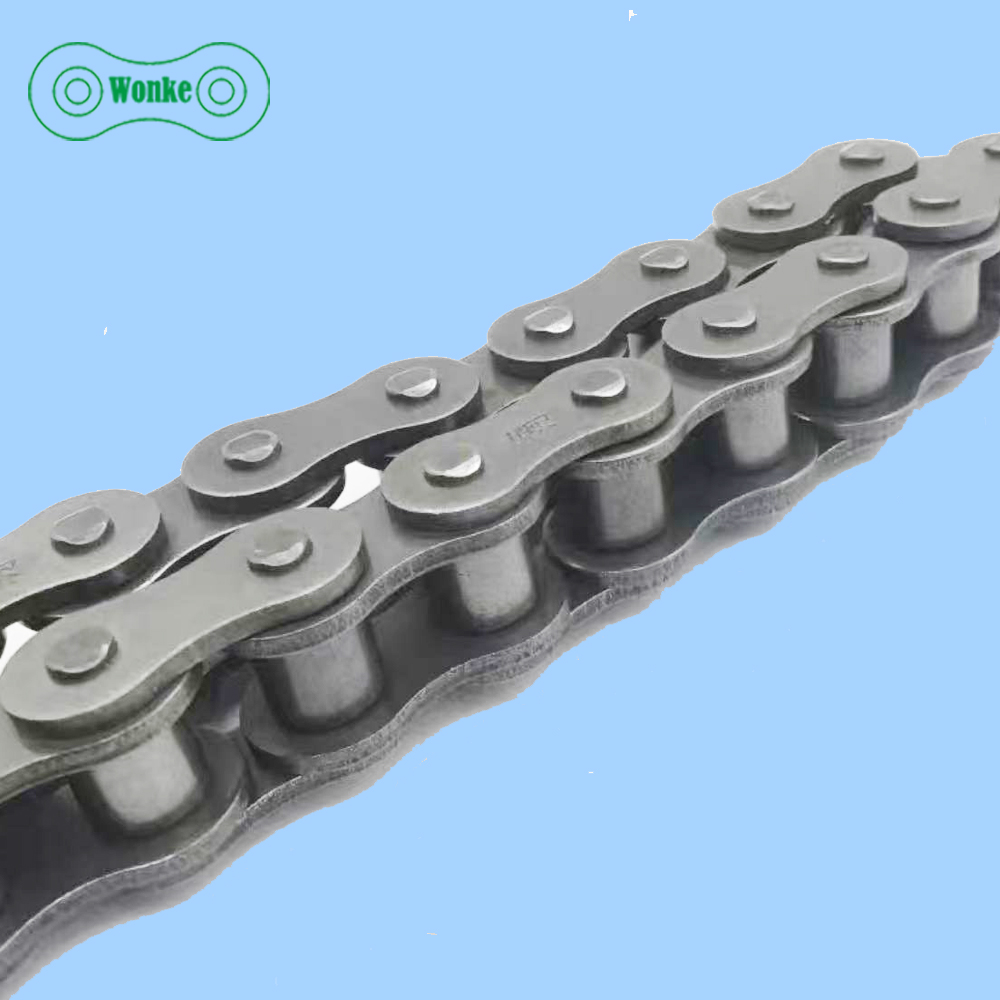
A Non-Standard Roller Chain is a customized roller chain that does not conform entirely to standard ANSI or ISO specifications. While a standard chain follows predefined dimensions and configurations, a non-standard design can be modified in terms of pitch, width, attachment type, material, strength, and overall dimension.
These chains are commonly used when standard products cannot meet the performance requirements of a particular application.
Key Components of a Non-Standard Roller Chain
Like a conventional roller chain, a non-standard design consists of several critical components:
- Roller
- Pin
- Bushing
- Inner and outer plates
- Attachments
- Connecting links
Each component plays an important role in determining chain performance, wear resistance, and tensile strength.
The quality of the pin and bushing directly affects chain life, while the roller influences smooth engagement with the sprocket.
Common Customization Options
Modified Pitch
The pitch is one of the most important factors in chain design. Custom pitch configurations can be developed to match existing sprocket systems or unique machine layouts.
Special Attachments
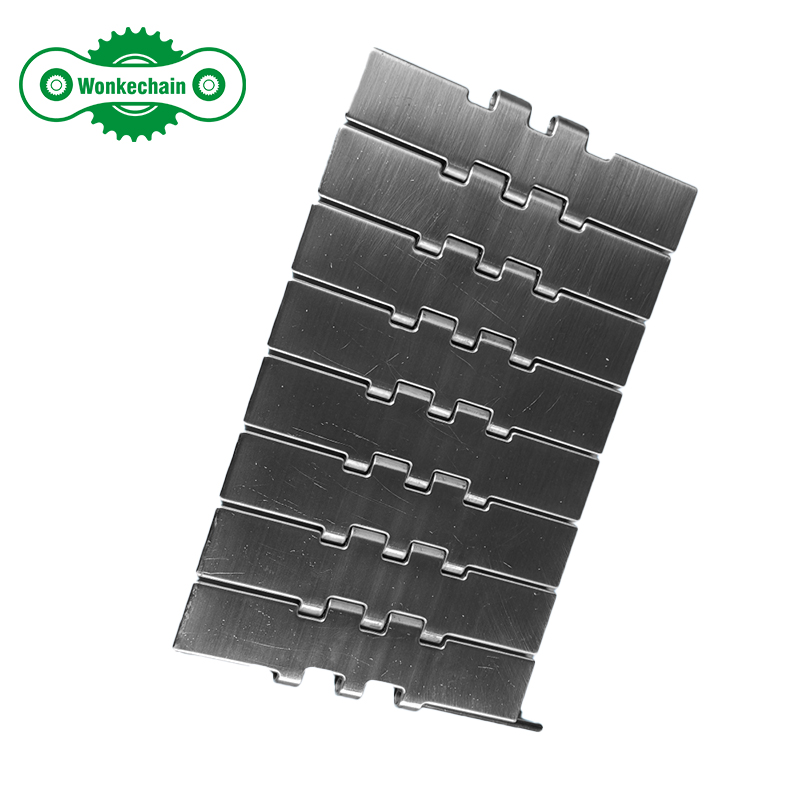
Many industrial applications require custom attachments for conveying, lifting, or positioning products. These attachments transform a roller chain into a complete conveying solution.
Multi-Strand Construction
Single strand chains are suitable for many applications, but high-load environments may require double strand, triple strand, or even larger multi-strand configurations to increase strength.
Material Selection
Depending on the operating environment, manufacturers may choose:
- Carbon steel
- Alloy steel
- Stainless steel
Stainless steel chains offer superior corrosion resistance and are commonly used in food processing, pharmaceutical production, and outdoor equipment.
Advantages of Non-Standard Roller Chains
Improved Application Compatibility
A non-standard roller chain can be designed specifically for a customer's application, eliminating compromises often associated with standard products.
Enhanced Strength
Through optimized engineering and material selection, customized chains can achieve higher tensile strength and better fatigue performance.
Better Wear Resistance
Advanced heat treatment processes and precision manufacturing improve resistance to wear, extending service life under demanding conditions.
Increased Productivity
Proper chain selection reduces downtime, improves transmission efficiency, and lowers maintenance costs.
The Importance of Sprocket Matching
Even the highest-quality roller chain will not perform correctly if paired with an unsuitable sprocket.
When selecting a non-standard chain, engineers should carefully evaluate:
- Sprocket tooth profile
- Number of teeth
- Pitch compatibility
- Alignment accuracy
Proper sprocket matching helps distribute load evenly across the roller and pin surfaces while minimizing premature wear.
Engineering Considerations
Developing a non-standard roller chain requires careful engineering analysis.
Factors typically include:
- Working load
- Speed
- Operating temperature
- Lubrication conditions
- Environmental exposure
- Required service life
A well-designed chain must balance strength, flexibility, wear resistance, and cost-effectiveness.
Lubrication and Maintenance
Lubrication remains one of the most important factors affecting chain performance.
Proper lubrication helps:
-
Reduce friction between pin and bushing
-
Lower operating temperature
-
Improve wear resistance
-
Extend chain life
Regular maintenance inspections should include checking chain elongation, roller wear, sprocket condition, and overall alignment.
Preventive maintenance can significantly reduce unexpected downtime.
ISO and ANSI Standards in Custom Chain Design
Although a Non-Standard Roller Chain may not fully comply with standard dimensions, many designs still reference ISO and ANSI requirements as a foundation.
This approach allows manufacturers to maintain compatibility with existing industrial systems while introducing customized features where necessary.
Choosing the Right Manufacturer
The performance of a non-standard chain depends heavily on manufacturing quality.
A reliable manufacture should provide:
- Precision machining
- Consistent heat treatment
- Strict quality control
- Custom engineering support
- Comprehensive testing
These factors ensure stable performance and long-term reliability.
Conclusion
A Non-Standard Roller Chain offers the flexibility needed for specialized industrial applications where a standard chain cannot meet operational requirements.
By optimizing pitch, roller design, pin structure, bushing quality, strand configuration, and material selection, customized chains deliver improved strength, durability, and application performance.
Whether your project requires special dimensions, unique attachments, stainless steel construction, or enhanced tensile strength, the right non-standard roller chain can provide a reliable and cost-effective solution.
At Wonke Chain, we specialize in the manufacture of custom roller chain solutions designed to meet the most demanding industrial applications. Contact us today to discuss your project requirements and discover how our engineering team can help create the ideal chain for your equipment.
FAQ
What is a Non-Standard Roller Chain?
A Non-Standard Roller Chain is a customized chain designed for specific applications that require dimensions, attachments, or performance characteristics beyond standard ANSI or ISO specifications.
Can a Non-Standard Roller Chain be used with standard sprockets?
In some cases, yes. However, sprocket compatibility should always be verified based on pitch and dimensional requirements.
What materials are available?
Common materials include carbon steel, alloy steel, and stainless steel depending on the application environment.
How can I improve chain service life?
Proper lubrication, regular maintenance, correct sprocket selection, and timely replacement of worn components are essential for maximizing chain life.