
Go Kart Chain Maintenance Checklist | Racing Guide
Go Kart Chain Maintenance Checklist for Racing Season
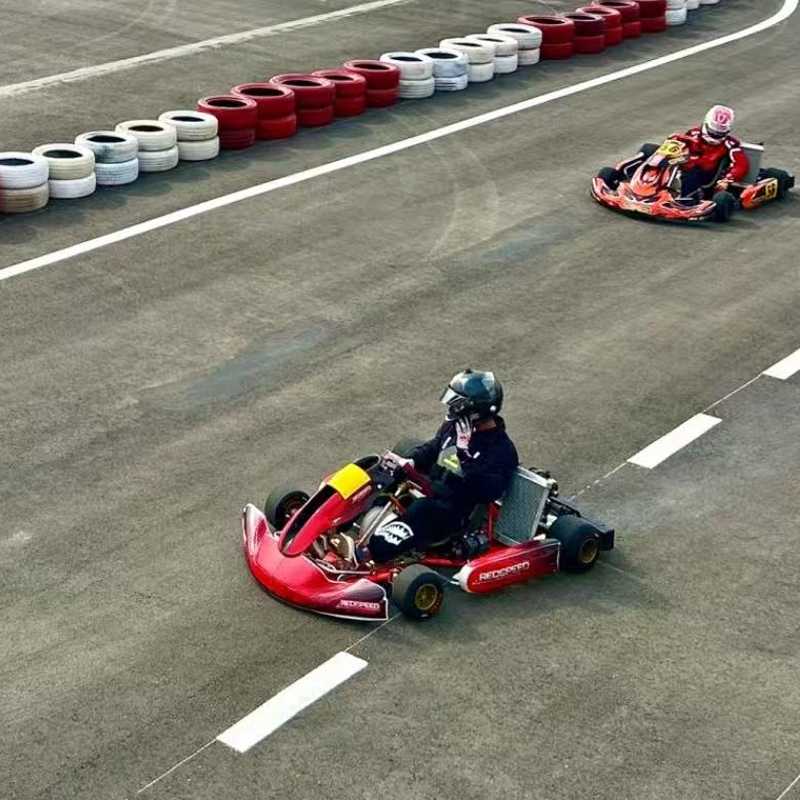
When the racing season begins, every kart owner wants maximum speed, reliable handling, and consistent performance. Engine tuning often gets the most attention, but many racers overlook one of the most critical drivetrain components—the go kart chain.
A neglected chain can reduce power transfer, wear out the sprocket, increase friction, and even fail during competition. Regular go-kart maintenance extends component life and helps keep your kart performing at its best.
This guide gives a practical checklist for chain care, brake inspection, engine servicing, and other key maintenance tasks before every race weekend.
Why Go Kart Chain Maintenance Matters
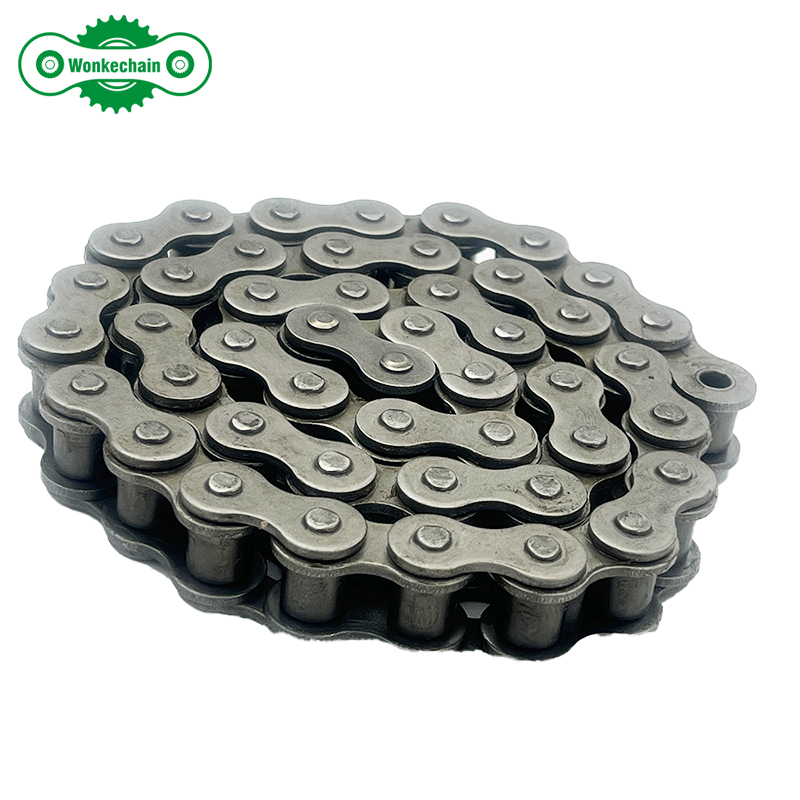
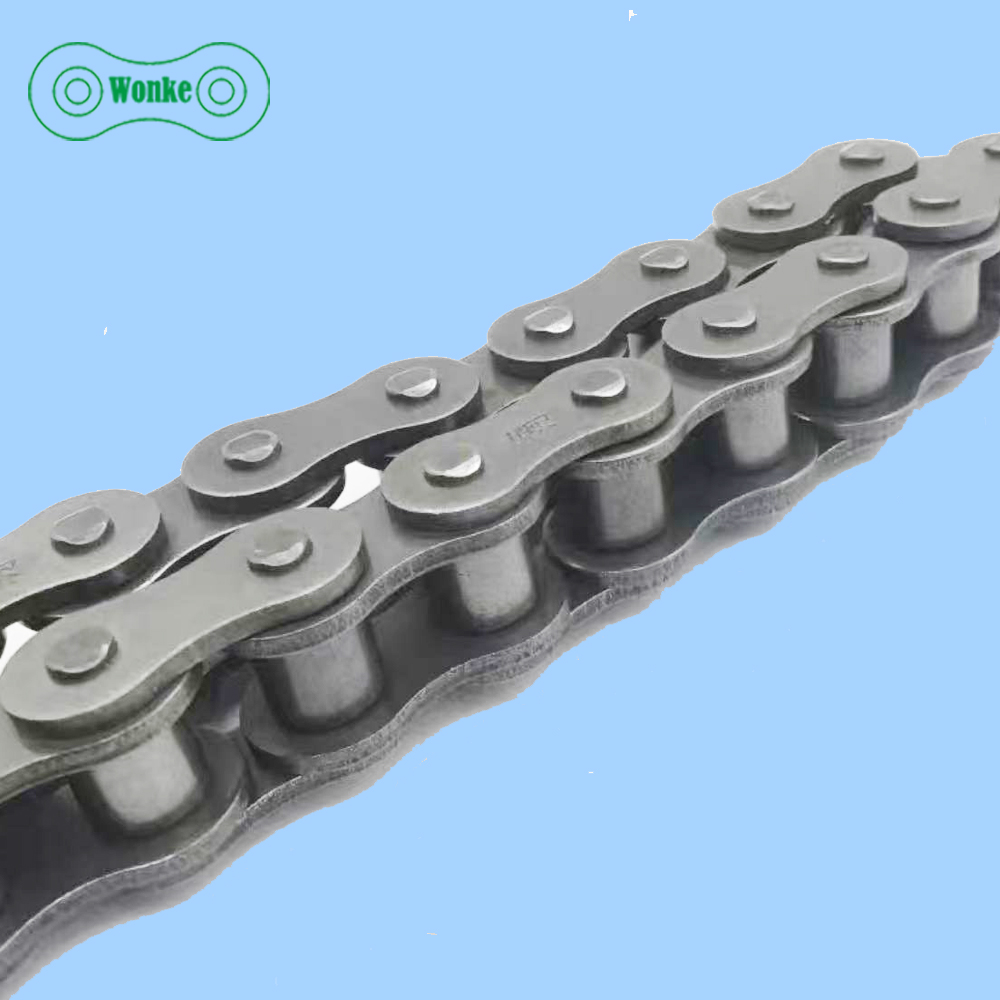
The go kart chain transfers engine power directly to the rear axle. During competitive karting, chains operate under high loads and constant acceleration.
Poor maintenance can cause:
- Reduced acceleration
- Excessive chain stretch
- Premature sprocket wear
- Increased friction
- Unexpected chain failure
- Lower drivetrain efficiency
Whether you race 2-stroke or 4-stroke go-karts, proper chain care should always be part of your regular maintenance schedule.
Racing Season Go Kart Maintenance Checklist
Below is a recommended checklist before every race.
| Item | What to Inspect | Recommended Action |
|---|---|---|
| Go kart chain | Wear, dirt, rust, chain stretch | Clean, lubricate, adjust |
| Sprocket | Tooth wear | Replace if hooked |
| Brake system | Pads, rotor, fluid | Check brake components |
| Tire pressure | Cold pressure | Adjust to track conditions |
| Bearing | Rotation and noise | Replace if rough |
| Axle | Straightness | Inspect after impacts |
| Chassis | Cracks or bends | Repair if damaged |
| Fastener | Loose bolts | Tighten to specification |
| Engine oil | Level and quality | Replace when necessary |
| Air filter | Dirt or blockage | Clean or replace |
1. Inspect the Go Kart Chain
The first step is to inspect the chain carefully.
Look for:
- Tight or stiff links
- Chain stretch
- Surface rust
- Damaged rollers
- Uneven wear
If the chain shows excessive elongation, replacement is better than adjustment.
Professional racers usually inspect the chain after every race day.
2. Clean and Lubricate the Chain
Dirt mixed with old lube makes an abrasive paste, and that speeds up wear.
Cleaning Procedure
- Remove dirt with a soft brush.
- Use a chain cleaner.
- Wipe dry.
- Apply quality chain lubricant evenly.
- Let the lubricant soak in before racing.
Never use heavy grease because it attracts dust.
Regularly lubricate the chain after cleaning and after wet races.
3. Check Chain Tension
Incorrect chain tension damages both the chain and the sprocket.
A chain that is too tight can overload the rear bearing and axle.
A loose chain can jump teeth or come off.
Always check chain tension after you replace the chain or rear sprocket.
4. Inspect the Sprocket
The sprocket should have symmetrical teeth.
Replace it if you see:
- Hooked teeth
- Sharp edges
- Uneven wear
Installing a new chain on a worn sprocket will shorten chain life a lot.
5. Check the Brake System
Reliable brake performance is critical for safety and lap times.
Start by check brake operation before you go on the track.
Your brake system inspection should include:
- Brake pad thickness
- Brake rotor condition
- Hydraulic leaks
- Brake pedal feel
- Brake fluid level
Old brake fluid absorbs moisture over time, and that reduces braking efficiency.
Replace brake fluid as the manufacturer recommends.
If your brake pad is near the wear limit, install a new brake pad before race day.
6. Inspect Bearings and Axle
Spin every bearing by hand.
Replace any bearing that feels rough or noisy.
Then inspect the rear axle.
A bent axle affects handling, tire wear, and chain alignment.
7. Examine the Chassis and Fasteners
The chassis shakes a lot during racing.
Carefully inspect the frame for:
- Cracks
- Bent sections
- Loose welds
Then check every important fastener, including:
- Engine mount bolts
- Brake hardware
- Sprocket carrier bolts
- Steering components
A loose fastener can quickly become a major safety issue.
8. Service the Engine
Engine maintenance is just as important as drivetrain maintenance.
For four-cycle racing engines:
- Check engine oil
- Change the oil at recommended intervals
- Monitor oil color
- Use fresh engine oil
Many racers do changing oil after every few race weekends, depending on engine hours.
A routine oil change helps keep the engine reliable.
Regular oil change intervals also reduce internal wear.
9. Clean the Air Filter and Fuel System
A dirty air filter blocks airflow.
Remove the air filter, clean it properly, and put it back.
A blocked filter can clog the intake and cut engine power.
Don't forget to:
- Inspect the fuel filter
- Check the fuel line
- Make sure the carburetor is clean
- Make sure the carburetor responds smoothly
Keeping the clean air path open improves combustion efficiency.
10. Check Tire Pressure
Proper tire pressure directly affects grip and handling.
Before each session:
- Check tire condition
- Measure tire pressure when cold
- Adjust tire pressure for track temperature
Small pressure changes can improve lap consistency a lot.
Sample Racing Season Maintenance Schedule
| Maintenance Item | Before Every Race | Weekly | Monthly |
|---|---|---|---|
| Inspect chain | ✔ | ||
| Lubricate chain | ✔ | ||
| Check brake system | ✔ | ||
| Brake fluid | ✔ | ||
| Air filter cleaning | ✔ | ||
| Engine oil inspection | ✔ | ||
| Oil change | ✔ | ||
| Bearing inspection | ✔ | ||
| Sprocket inspection | ✔ | ||
| Chassis inspection | ✔ | ||
| Fastener check | ✔ | ||
| Tire pressure | ✔ |
Following a consistent maintenance schedule helps reduce mechanical failures and keeps your kart race-ready all season.
Tips to Extend Go Kart Chain Life
- Keep the chain clean after every race.
- Always lubricate after washing.
- Replace worn sprockets with the chain when needed.
- Avoid excessive chain tension.
- Store the kart in a dry place.
- Inspect the drivetrain before every event.
Preventive maintenance costs much less than replacing damaged drivetrain parts.
Why Choose Wonke Chain Go Kart Chains?
At Wonke Chain, we make high-performance go kart chain solutions for racing.
- High-strength alloy steel construction
- Precision manufacturing for smooth power transmission
- Excellent wear resistance
- Stable quality for competitive racing
- OEM and custom lengths available
- Factory-direct supply worldwide
Whether you are a distributor, racing team, or kart manufacturer, we provide dependable chain solutions for consistent track performance.
Frequently Asked Questions
1. How often should I lubricate a go kart chain?
For racing, lubricate the chain after every race day or after you clean it. Frequent lubrication reduces wear and improves power transmission.
2. How do I know when a go kart chain needs replacement?
Replace the chain if you see excessive stretch, stiff links, visible rust, uneven wear, or if you can't keep proper chain tension.
3. Should I replace the sprocket when replacing the chain?
If the sprocket teeth show hooking or uneven wear, replace both parts together. That gives the best performance and extends chain life.
4. How often should brake fluid be changed?
Most racing teams change brake fluid at least once each season, or more often in demanding conditions, because moisture lowers braking performance.
5. What maintenance should be completed before every race?
Before every event, inspect the chain, check brake performance, check tire pressure, inspect the sprockets, check bearings, tighten fasteners, clean the air filter, and make sure engine oil is at the right level. A consistent pre-race inspection helps maximize reliability and safety.