
Gripper Chain Supply: Your Reliable Source
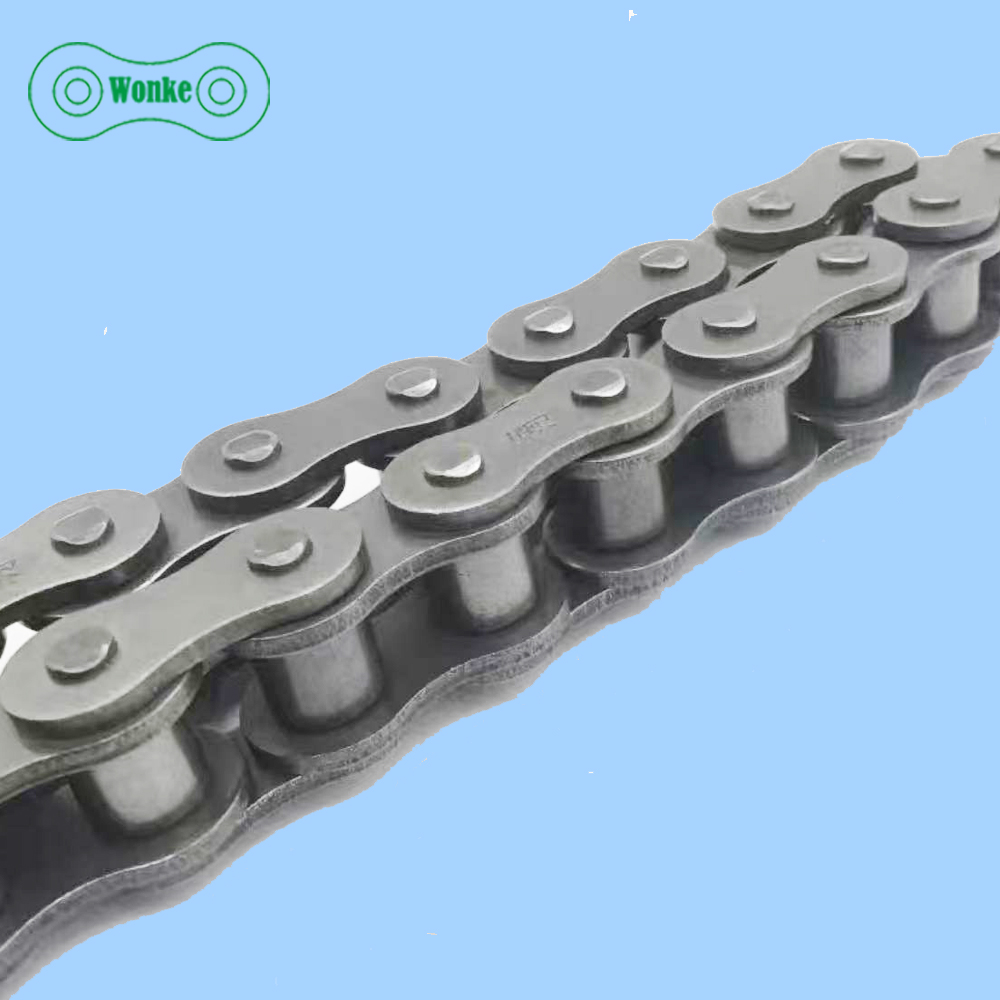
Modern packaging, printing, and industrial handling equipment need a good gripper chain for stable performance. A quality chain improves handling precision and reduces wear, maintenance costs, and downtime. The right gripper system works for plastic film, flat products, or thin sheet metal. It boosts production efficiency and operational stability.Many manufacturers rely on continuous conveying and precise positioning. So a dependable gripper chain supply is key for long-term equipment performance. This guide explains how to pick the right chain system, which materials work best, and why ISO-standard manufacturing matters.
What Is a Gripper Chain?
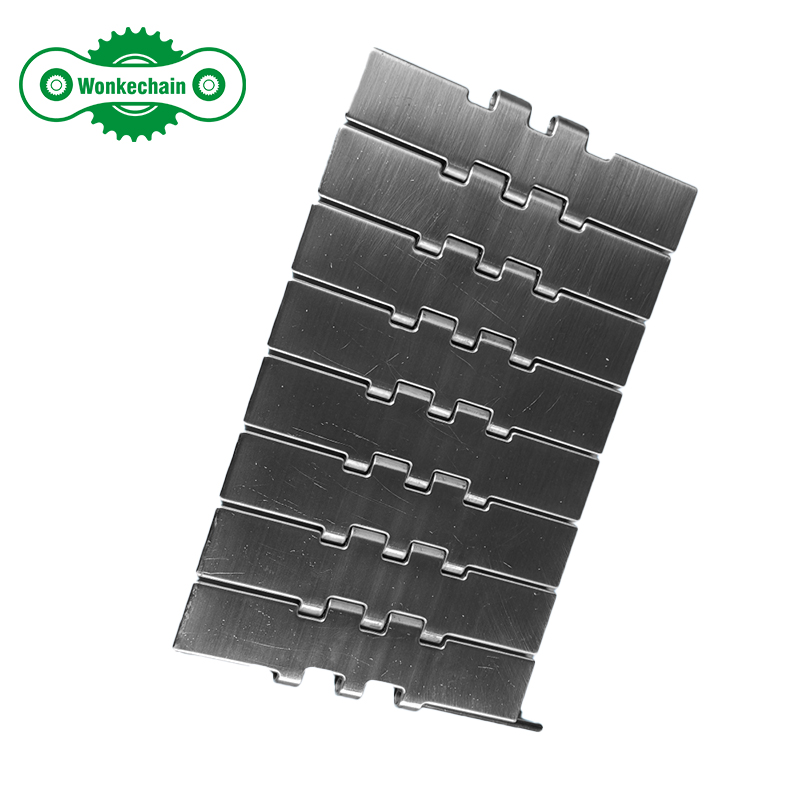
A gripper chain is a special conveyor chain with gripper or clamp attachments. These hold materials tightly during movement. The systems are used in packaging, printing, film processing, and automated handling. They need stable transport and accurate positioning.The gripper usually uses spring force to keep a good hold. This lets materials stay in place even at high speed. Compared to normal roller chains, gripper chains give more precise and secure transport
Why Is Chain Pitch Important?
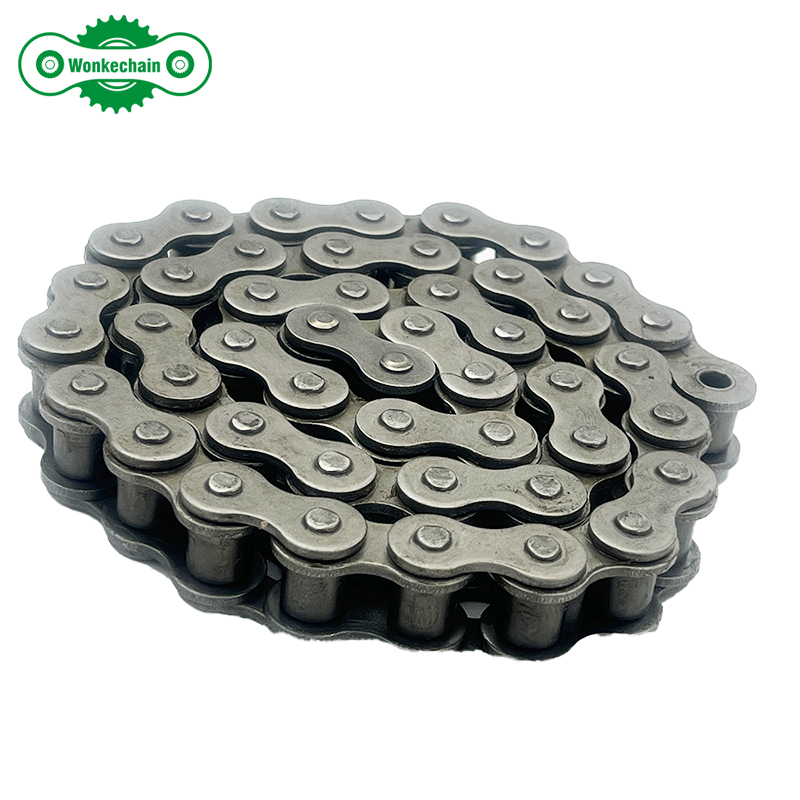
Pitch decides how the chain fits with sprockets. A correct pitch gives smooth power, cuts vibration, and lowers wear. Most industrial chains use ISO standard sizes. This ensures fit with many machines.A wrong pitch causes poor fit, noise, more load, and shorter life for both chain and sprocket. For high-speed continuous equipment, picking the right pitch is a must.
Which Material Is Best?
Carbon steel works for general use. It is durable and low cost. For wet, corrosive, or washdown areas, stainless steel is best. It gives excellent corrosion resistance. It is common in food packaging, film handling, and outdoor work. High-quality materials also improve wear resistance and stable performance under load.
How Does Clamp Design Affect Performance?
Good clamp design holds sensitive materials without damage. Plastic film and flat packaging need smooth handling. Thin sheet metal may need stronger grip and more contact area. Precision clamps improve accuracy, reduce slipping, and boost efficiency. Some advanced chains use special patented attachments for tough jobs.
Why Are Sprockets Important?
Sprockets work with the chain to transfer power. Worn or mismatched sprockets cause shaking, poor positioning, and faster wear. High-quality sprockets improve chain movement and handling. Good tooth shape lowers force on chain parts. Always match chain pitch with sprockets for stable transmission and less wear.
Common Applications
Gripper chains are widely used. In packaging, they move film, cartons, labels, and lightweight materials at high speed. Printing machines use them to keep materials in place during processing. Industrial handling equipment moves flat or sensitive products. Pick the right chain and attachment for your job.How to Reduce Wear and Corrosion?
Regular maintenance extends chain life. Proper lubrication creates a protective layer to cut friction and prevent corrosion. For tough environments, stainless steel adds protection. Keep the chain clean and lubricated to reduce downtime.How to Choose a Reliable Supply Partner?
A good partner offers stable quality, correct sizes, and technical support. ISO-certified makers maintain consistent quality. Check their experience in custom attachments and precision manufacturing. A professional supplier recommends the right pitch, material, clamp, and length. Fast delivery, stable supply, and strict quality control also matter. Good support and consistent performance are as important as price.Why Quality Matters
A high-quality gripper chain improves efficiency, cuts maintenance, and increases stability. Low-quality chains cause shaking, bad handling, early wear, or sudden stops. Modern systems need precision and strength. Investing in reliable products lowers long-term costs and keeps operation smooth.Conclusion
Picking the right gripper chain supply greatly improves industrial handling. High-quality chains give secure movement, stable hold, and reliable operation. Choose the correct material, pitch, clamp, and sprockets to reduce wear, raise efficiency, and extend equipment life. Work with an experienced supplier for long-term benefits.Key Takeaways
- Gripper chains give secure handling and accurate positioning.
- Correct pitch improves sprocket fit and cuts wear.
- Stainless steel offers strong corrosion resistance.
- Clamp design affects precision and holding performance.
- ISO-standard manufacturing ensures quality and fit.
- Good lubrication extends chain life.
- Reliable partners provide stable quality and support.
- Quality chains improve efficiency and long-term performance.
FAQ
1. How often should I replace my gripper chain?It depends on your machine use and environment. Check the chain regularly for wear, loose pins, or poor grip. For normal conditions, replace every 1 to 2 years. In heavy or dirty work, do it more often. Good lubrication and proper sprocket fit help the chain last longer.
2. Can I use the same gripper chain for different materials?
Not always. A chain that works for cardboard may damage thin film. You need the right clamp design and grip force for each material. Talk to your supplier. They can help you pick a chain that fits your main material or a versatile design for light to medium use.
3. Do I need special tools to install a gripper chain?
No. Most gripper chains use standard connector links. You just need basic hand tools like a chain breaker or a punch. But make sure the chain is tensioned correctly. A loose chain causes bad positioning and faster wear. Follow the machine manual or ask your supplier for guidance.