
Industrial Roller Chain Quality Guide: Why Materials and Heat Treatment Matter More Than Price
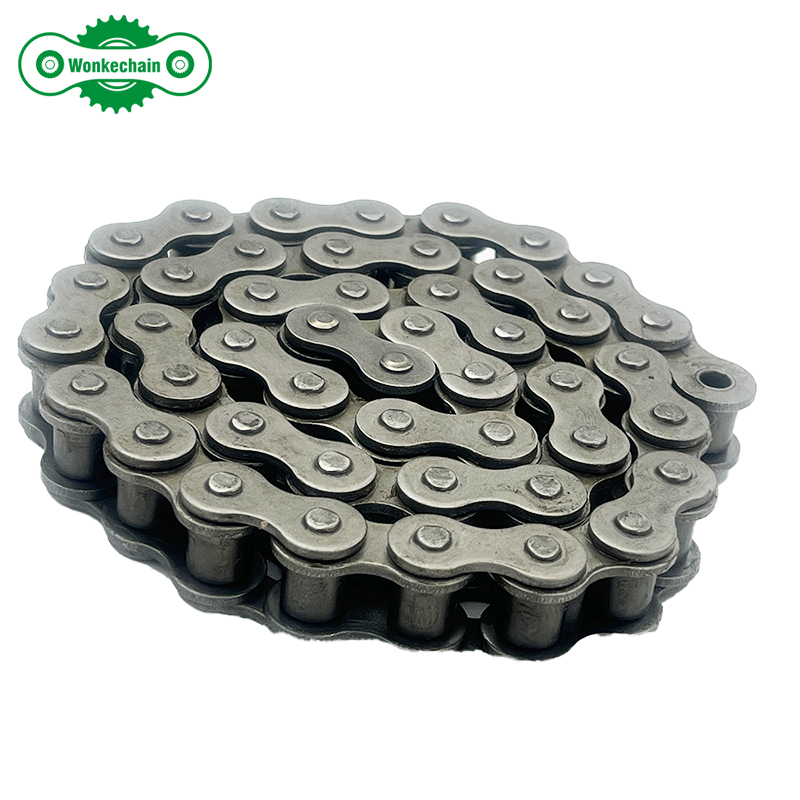
When you buy an industrial roller chain, many buyers look at size, breaking load, and price. These things are important, but they do not tell the whole story.The real performance of an industrial roller chain comes from two things that people often miss: material quality and heat treatment.
A chain may look the same on the outside. But differences in steel grades, making standards, and heat treatment processes can change wear resistance, how long it lasts under stress, and overall trust.
When you look for a good roller chain maker or industrial chain supplier, knowing these hidden things can help you avoid expensive stops and early chain breaks.
What Makes a Good Industrial Roller Chain?
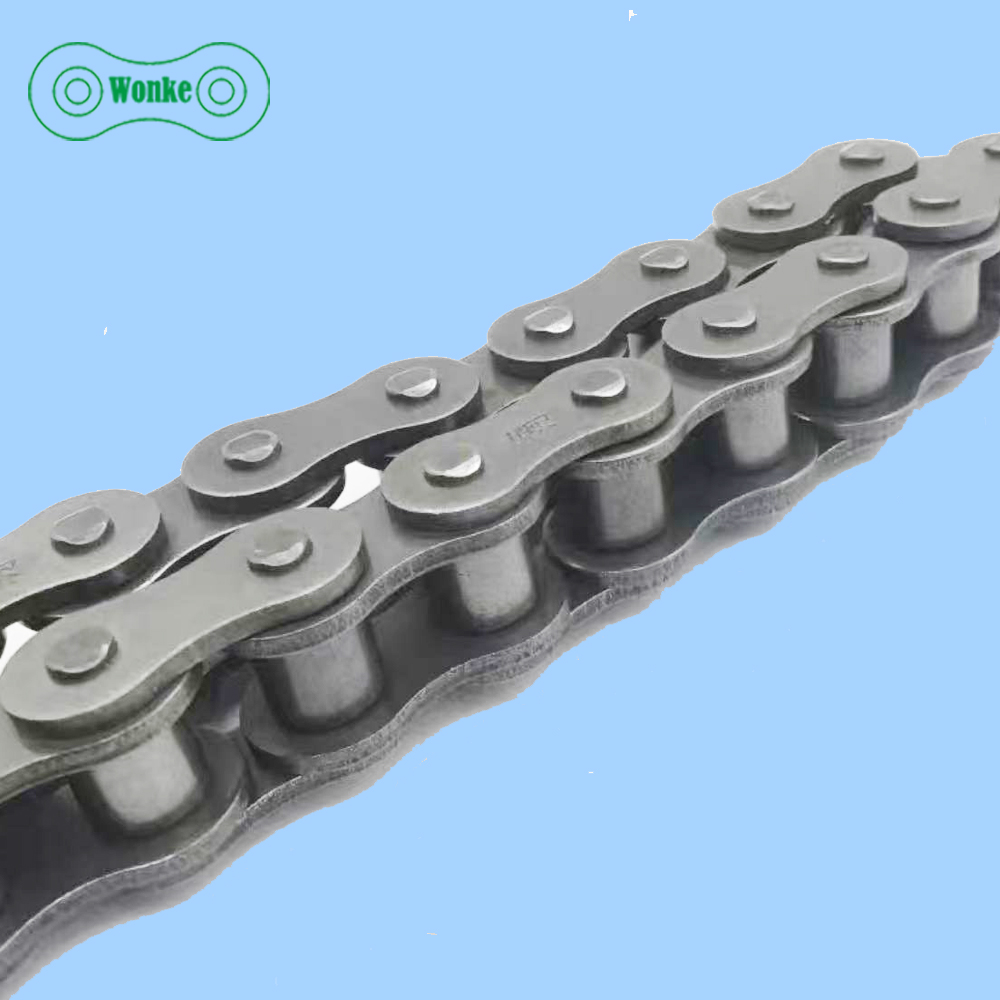
A standard industrial roller chain has four main parts:Chain Plates
Chain plates carry the pull force when the chain runs. Their strength directly changes the chain's load capacity and how long it lasts under stress.Pins
Pins are the turning points between chain links. They get constant stress and are some of the most important parts for chain life.Bushings
Bushings make the bearing surface between the pins and rollers. Good bushings reduce wear and make the chain last longer.Rollers
Rollers touch the sprocket teeth and reduce rubbing when power is sent. Good rollers make the chain work better and wear less.The quality of each part helps the overall performance of a transmission chain, conveyor chain, or heavy duty roller chain system.
The Hidden Material Problems in Many Roller Chains
One big problem in the market today is that material quality is not the same all the time.Many suppliers say they sell alloy steel roller chains. But the real materials used can be very different between parts.
Different Steel Grades
For example, a supplier may say a chain is made from 40Mn steel.But:
- Chain plates may use 40Mn steel
- Pins may use lower-grade carbon steel
- Bushings may use ordinary steel
- Rollers may not meet the hardness they say
Material Swapping
One more common trick is to swap the stated materials with cheaper ones.Examples:
- Using 45# steel instead of alloy steel
- Mixing different steel grades in the same batch
- Using recycled materials that are not the same all through
Why Heat Treatment Is a Must for Industrial Roller Chains
Picking good materials is not enough.Even high-quality steel cannot reach its best performance without proper heat treatment.
Heat treatment makes the mechanical properties of key chain parts better. It also makes the chain last much longer.
Good Things About Proper Heat Treatment
A properly heat-treated industrial roller chain gives you:- Higher surface hardness
- Better wear resistance
- More strength against stress over time
- Better ability to take hits
- Longer working life
In many jobs, proper carburizing and quenching can make pin and bushing wear resistance more than 30% better. Then the chain works much longer.
The Risk of Only Heat Treating Some Parts
Some makers only heat treat some parts. But they still say the whole chain is heat treated.For example:
- Pins may be hardened
- Rollers may get limited treatment
- Bushings may not be carburized
When you check a roller chain maker, you need to know exactly which parts get heat treatment and what steps they use.
Industrial Jobs That Need High-Quality Chains
The need for good materials and heat treatment gets even bigger in tough working places.Industrial roller chains are often used in:
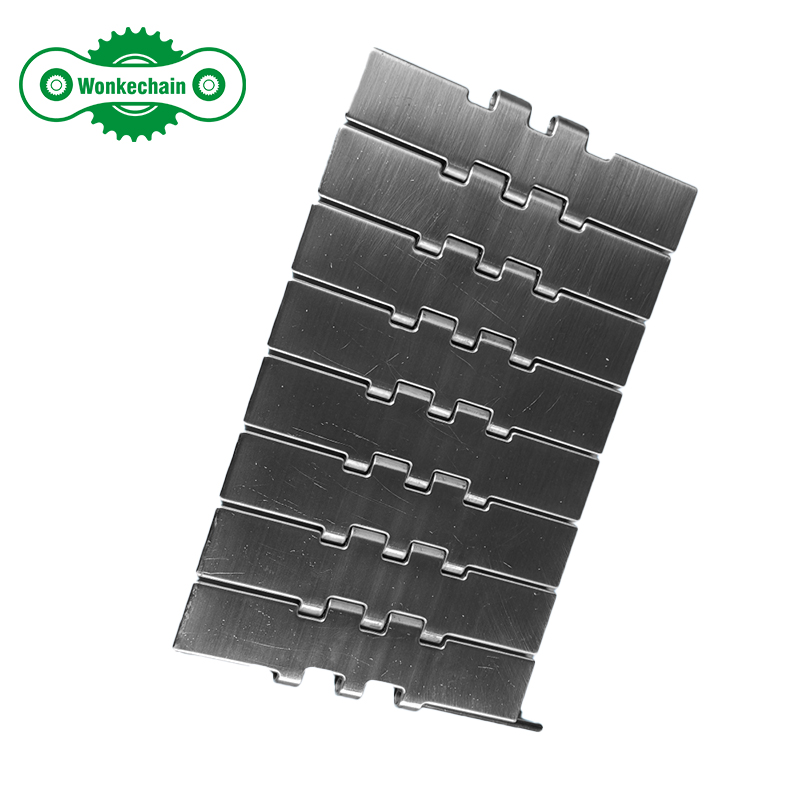
Conveyor Systems
Conveyor chains run all the time. They need very good wear resistance to cut down on maintenance and stops.Farm Machines
Farm machines often get dirt, water, and heavy loads. So the chain must be tough.Mining Gear
Heavy duty roller chains used in mining must handle shock loads and rough conditions.Packing Machines
Precision transmission chains help keep production lines smooth and steady.Material Moving Gear
Forklifts, lifting systems, and automatic conveyors depend on steady chain performance to get the most work done.No matter the job, material quality directly changes how well the machine runs.
How to Check a Roller Chain Maker
Before you buy from a roller chain factory, ask these questions:What Materials Are Used for Each Part?
A good industrial chain supplier should clearly say what materials are used for chain plates, pins, bushings, and rollers.Can You Give Material Certificates?
Material certificates help check that the parts meet the making rules.What Heat Treatment Steps Are Used?
Ask if the parts go through carburizing, quenching, tempering, or induction hardening.Do You Do Quality Checks?
Good makers do:- Tensile strength tests
- Hardness tests
- Wear tests
- Size checks
- Fatigue tests
Why the Cheapest Roller Chain Often Costs More
Many buyers pick the lowest price to spend less money up front.But cheaper chains often cause:
- More maintenance costs
- More chain changes
- Stops you did not plan for
- Less work done
- Higher long-term running costs
A top alloy steel roller chain may cost more at first. But because it lasts longer, the total cost over time is often much lower.
Why Pick Wonke Chain as Your Industrial Chain Supplier?
Wonke Chain is a professional roller chain maker. We focus on high-quality industrial roller chains, conveyor chains, transmission chains, and custom chain solutions.Our making steps include:
- Carefully picked alloy steel materials
- Advanced heat treatment technology
- Precision machine tools
- Strict quality check steps
- Full performance tests
If you need a standard roller chain, heavy duty roller chain, conveyor chain, or custom transmission chain, our team can give you the right solution for your job.
Final Thoughts
When you check an industrial roller chain, the look alone does not tell the full story.The real difference between a reliable chain and a cheap one comes from material choice, steady making, and heat treatment quality.
If you pick an experienced roller chain maker and a trusted industrial chain supplier, you can make your machines more reliable, cut maintenance costs, and get the most work done.
Looking for a dependable industrial roller chain supplier?
Contact Wonke Chain today to talk about your job needs. See how our chain solutions can help make your machines work better and produce more.
Frequently Asked Questions About Industrial Roller Chains
What is the best material for an industrial roller chain?
High-quality alloy steels such as 40Mn, 40Cr, and selected carbon steels are commonly used for industrial roller chains. The best material depends on the application, load requirements, and operating environment.Why do industrial roller chains wear out?
Most roller chain wear occurs between the pins and bushings due to friction during operation. Poor lubrication, inadequate heat treatment, contamination, and heavy loads can accelerate wear and shorten service life.Why do roller chains appear to stretch over time?
In most cases, roller chains do not actually stretch. Chain elongation is primarily caused by wear between the pins and bushings, which increases the pitch length and affects chain performance.How important is heat treatment for roller chains?
Heat treatment is critical for improving hardness, wear resistance, fatigue strength, and overall durability. Properly heat-treated pins, bushings, rollers, and plates can significantly extend chain service life.How can I identify a reliable roller chain manufacturer?
Look for manufacturers that provide material certifications, heat-treatment details, quality-control procedures, and performance testing reports. Production traceability and industry experience are also important indicators of quality.What industries commonly use industrial roller chains?
Industrial roller chains are widely used in conveyor systems, agricultural machinery, mining equipment, packaging machinery, material handling systems, food processing equipment, and various power transmission applications.How often should an industrial roller chain be replaced?
Replacement intervals depend on operating conditions, load, lubrication, and maintenance practices. Regular inspection of chain elongation, wear, and sprocket condition is recommended to determine the appropriate replacement schedule.What should I consider when choosing an industrial chain supplier?
Important factors include material quality, heat-treatment processes, manufacturing capabilities, quality-control standards, delivery reliability, technical support, and the supplier's experience in your industry.